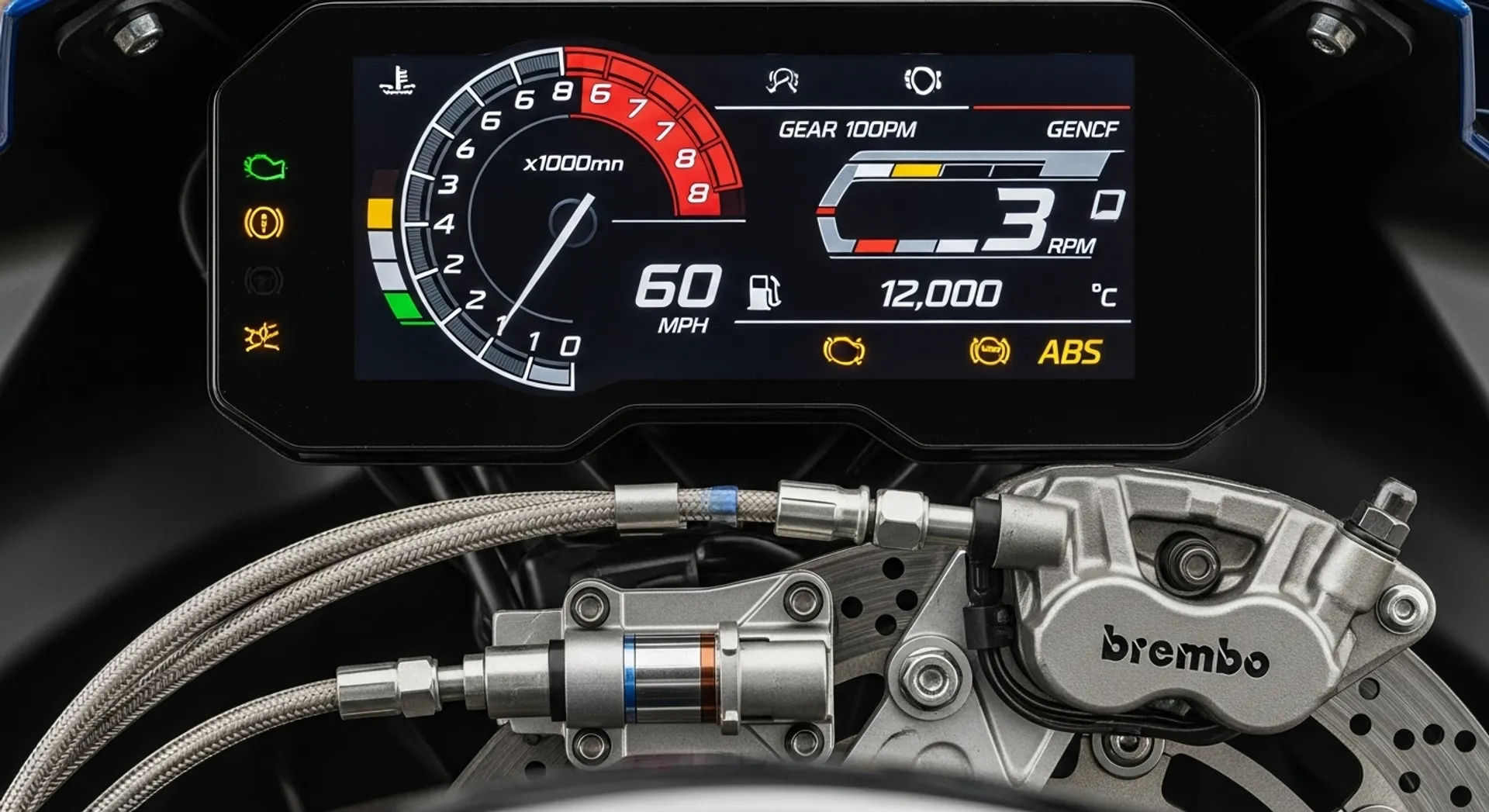
Modern motorcycles are engineering marvels equipped with sophisticated electronic systems designed to enhance safety and performance. From Anti-lock Braking Systems (ABS) to traction control and computerized fuel management, today’s bikes rely heavily on technology to keep riders safe. However, when these advanced systems fail or malfunction, the consequences can be catastrophic. Understanding product liability claims related to motorcycle technology failures is essential for riders in Orange County and throughout California.
The Rise of Electronic Systems in Modern Motorcycles
Today’s motorcycles bear little resemblance to the purely mechanical machines of decades past. Manufacturers have integrated complex electronic systems that control nearly every aspect of motorcycle operation. These systems include Anti-lock Braking Systems (ABS), traction control, electronic stability programs, ride-by-wire throttle systems, and sophisticated engine management computers.
While these technologies have undoubtedly made motorcycles safer and more controllable, they also introduce new points of potential failure. When electronic components malfunction, riders may lose critical safety features at precisely the moment they need them most — often with devastating results.
Common Electronic System Failures
Electronic failures in motorcycles can occur in various systems. ABS brake modules may malfunction, causing complete brake failure or unexpected brake activation. Traction control systems can cut power inappropriately during normal riding conditions, creating dangerous situations in traffic. Engine control units (ECUs) may experience software glitches that affect throttle response or fuel delivery. Each of these failures can directly contribute to serious accidents.
Understanding Product Liability in Motorcycle Accidents
Product liability law holds manufacturers, distributors, and sellers responsible when defective products cause injury. In California, motorcycle riders injured due to equipment failure may have grounds for a product liability claim. These claims typically fall into three categories: design defects, manufacturing defects, and failure to warn.
Design defects exist when a product is inherently dangerous due to its design, even when manufactured correctly. Manufacturing defects occur when a specific product deviates from its intended design during production. Failure to warn cases arise when manufacturers don’t provide adequate warnings about known risks or proper use instructions.
Proving a Motorcycle Product Liability Claim
Successfully pursuing a product liability claim requires demonstrating that a defect existed and directly caused your injuries. This process often involves preserving the motorcycle and failed components immediately after the accident. Expert analysis of electronic systems, including downloading data from onboard computers, becomes critical evidence. Working with an experienced Orange County motorcycle accident attorney who understands these technical aspects is essential.
ABS Brake System Failures
Anti-lock Braking Systems have become standard equipment on many motorcycles, and California law now requires ABS on certain new models. While ABS technology significantly reduces accident risks, system failures do occur. Brake module computers can malfunction, sensors can fail, and hydraulic components within the ABS system may leak or seize.
When ABS fails, riders may experience complete loss of braking power, pulsating brakes during normal stops, or brake lockup — the very situation ABS is designed to prevent. These failures often occur without warning, leaving riders unable to stop safely in emergency situations. Victims of ABS-related accidents may have claims against the motorcycle manufacturer, the ABS system manufacturer, or maintenance facilities that serviced the system.
Electronic Brake Distribution Problems
Modern motorcycles with linked braking systems use electronics to distribute braking force between front and rear wheels. Electronic brake distribution (EBD) failures can result in inadequate stopping power or wheel lockup. These sophisticated systems require proper calibration and maintenance, and software errors can create dangerous braking imbalances.
Traction Control and Stability System Malfunctions
Traction control systems monitor wheel speed and engine power to prevent rear wheel spin during acceleration. Electronic stability programs add additional sensors and interventions to help maintain control during cornering and emergency maneuvers. When these systems malfunction, they may cut engine power unexpectedly, potentially causing accidents in heavy traffic or dangerous road conditions.
Some failures result from software programming errors, while others stem from faulty sensors or wiring issues. Riders have reported sudden power loss while navigating intersections, merging onto freeways, or executing routine maneuvers. These unexpected interventions can catch riders off-guard and lead to loss of control or collisions with other vehicles.
Throttle-by-Wire and Engine Management Failures
Ride-by-wire systems replace mechanical throttle cables with electronic sensors and actuators. The rider’s throttle input is interpreted by a computer, which then controls fuel injection and ignition timing. While this technology enables features like cruise control and multiple riding modes, it also creates potential failure points.
Throttle-by-wire failures have caused unintended acceleration, loss of throttle response, and engine stalling. Engine Control Unit (ECU) software glitches can affect fuel mapping, ignition timing, and other critical engine functions. These failures are particularly dangerous because they directly affect the rider’s ability to control speed and acceleration.
The Danger of Unauthorized Modifications
While product liability typically focuses on manufacturer defects, unauthorized modifications to electronic systems can complicate claims. Dealerships or aftermarket shops sometimes “flash” or reprogram ECUs to alter performance characteristics. These modifications may disable safety features or create unstable operating conditions. Determining whether a failure resulted from original design, aftermarket modifications, or improper installation requires thorough investigation.
Preserving Evidence After a Technology-Related Motorcycle Accident
If you suspect electronic system failure contributed to your motorcycle accident, preserving evidence is critical. Do not allow anyone to repair or modify the motorcycle before it has been properly inspected and documented. Onboard computers store valuable data that can prove system failures, but this information may be overwritten or lost if the motorcycle is started or repaired.
Photograph all components, document any warning lights or error messages displayed before the accident, and keep all maintenance records. Your attorney will work with motorcycle technology experts who can download computer data, analyze system performance, and identify specific failures that contributed to the accident.
Multiple Parties May Be Liable
Motorcycle product liability claims can involve multiple defendants. The motorcycle manufacturer bears primary responsibility for design and manufacturing defects. Component manufacturers who supplied electronic systems may share liability for defective parts. Dealerships could be liable if they improperly modified systems or failed to perform necessary recalls or updates.
Maintenance facilities might face claims if they incorrectly serviced electronic systems or failed to identify known problems. In some cases, software developers who created the motorcycle’s operating systems could be held accountable for programming errors. An experienced attorney will identify all potentially liable parties to maximize your compensation recovery.
Compensation Available in Product Liability Claims
Victims of motorcycle accidents caused by technology failures may recover compensation for medical expenses, including emergency treatment, hospitalization, surgery, rehabilitation, and ongoing care. Lost wages and diminished earning capacity are compensable when injuries prevent you from working. Property damage to your motorcycle and gear should be fully covered.
California law also allows recovery for non-economic damages including pain and suffering, emotional distress, loss of enjoyment of life, and permanent disability or disfigurement. In cases involving particularly egregious conduct by manufacturers — such as knowingly selling defective products or concealing known dangers — punitive damages may be available to punish the wrongdoer and deter similar conduct.
Why You Need an Experienced Motorcycle Product Liability Attorney
Product liability claims involving motorcycle technology failures are complex cases requiring specialized knowledge. Manufacturers have teams of engineers and lawyers working to deny liability and minimize payouts. Successfully proving that an electronic system failure caused your accident demands technical expertise, access to qualified experts, and substantial resources for investigation and litigation.
An experienced Orange County motorcycle accident attorney understands how modern motorcycle systems work, knows how to preserve and analyze electronic evidence, and has relationships with expert witnesses who can testify about technical failures. These cases often involve extensive discovery, depositions of engineers and designers, and courtroom testimony from multiple experts.
Act Quickly to Protect Your Rights
California’s statute of limitations gives injury victims two years to file product liability claims. However, evidence deteriorates over time, witnesses’ memories fade, and critical electronic data may be lost. Consulting with an attorney immediately after your accident ensures proper evidence preservation and allows early investigation while facts are fresh.
Contact Our Orange County Motorcycle Accident Attorneys Today
If you believe electronic system failure or other product defects contributed to your motorcycle accident, our experienced legal team can help. We have extensive experience handling complex product liability claims involving modern motorcycle technology. Our firm works with leading experts in motorcycle engineering, electronics, and accident reconstruction to build compelling cases for our clients.
We understand the devastating impact these accidents have on riders and their families. From catastrophic injuries to wrongful death, we fight aggressively to hold negligent manufacturers accountable and secure maximum compensation for our clients. Don’t let manufacturers escape responsibility for dangerous products that harm innocent riders.
Contact us today for a free consultation to discuss your case. We work on a contingency fee basis, meaning you pay nothing unless we win your case. Call our Orange County office now or complete our online contact form to schedule your appointment. Time is critical in product liability cases — don’t delay in protecting your rights and pursuing the compensation you deserve.