 Riders in Orange County need to know about the newest motorcycle insurance law changes in California in 2026 and how these shifts could impact your rights after a crash. Whether you’re purchasing new coverage or pursuing a claim after a collision, these legal updates will affect your case strategy and compensation.
Why Motorcycle Insurance Laws Are Changing Now
Over the past few years, motorcycle accident rates have stayed high statewide, and insurance companies have been adjusting how they price, handle, and challenge claims. New insurance law changes in 2026 focus on clearer liability rules, mandatory coverage minimums, and faster claim timelines to protect riders after serious accidents.
California’s motorcycle insurance requirements remain strict; every rider must maintain minimum liability coverage to legally operate their bike. However, with the increase in accidents and insurance claims, the state has decided that stricter laws are necessary to ensure proper compensation for victims of motorcycle accidents. As of 2026, these changes come with important modifications to coverage minimums, documentation requirements, and accident claims procedures. For more on California motorcycle helmet rules, see Helmet Laws in California: What Every Rider Should Know.
Key 2026 Insurance Law Updates Riders Should Know
1. Higher Minimum Liability Coverage Requirements
One of the most talked‑about changes this year is the increase in minimum liability coverage required for motorcycles. This means riders must carry more coverage to ensure victims of accidents are fairly compensated for medical bills, lost wages, and pain and suffering.
Insurance carriers will soon adjust pricing and policy terms to reflect these higher limits. Motorcycle owners in Orange County should speak with their agents and ensure they meet the updated requirements before renewing policies. Failing to carry the required minimum could result in fines and loss of registration. The state’s move to increase coverage aims to reduce the burden on the state’s medical and legal systems, ensuring that motorcyclists who cause accidents are financially responsible for their actions. Learn more about California’s minimum insurance requirements on California DMV’s Insurance Requirements page.
2. More Stringent Proof of Financial Responsibility
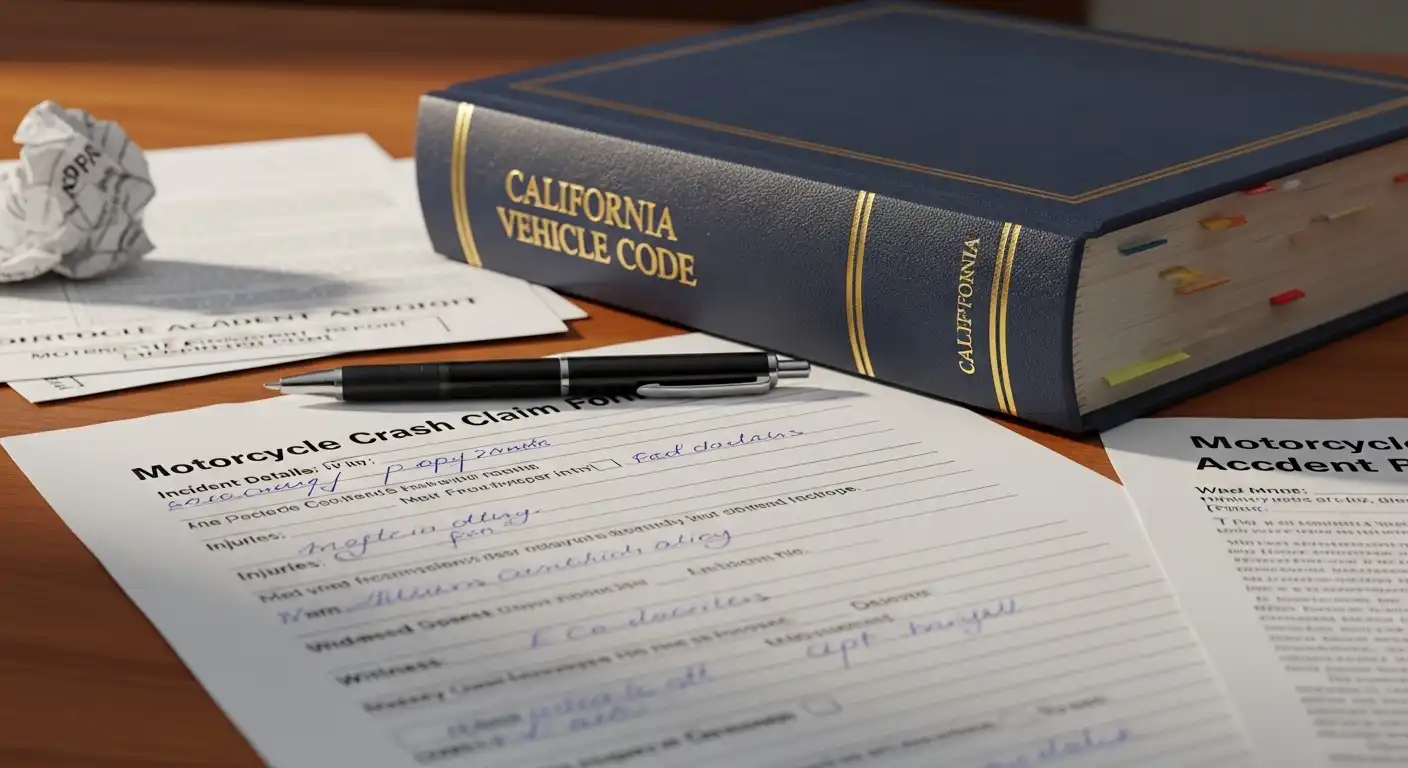
Insurance law changes in 2026 also require riders to more reliably prove financial responsibility. This includes updated documentation standards and requirements for submitting proof after a crash or traffic stop. Failure to comply can result in fines or suspension of registration.
Riders must provide proof of adequate insurance coverage during routine traffic stops or after an accident. If a rider cannot provide this documentation when required, they could face severe penalties. The increase in scrutiny from the California Highway Patrol (CHP) and other law enforcement agencies will ensure that riders comply with these rules. Notably, this will also affect how motorcyclists deal with law enforcement after an accident and during their recovery process.
3. Faster Timeframes for Claim Handling
 New regulations aim to shorten the amount of time insurance companies can investigate and respond to claims. For motorcycle accident victims, this means quicker access to medical and repair funds — but it also means documentation must be thorough and timely.
With insurance companies required to handle claims in shorter timeframes, victims who have suffered injuries or property damage from a motorcycle crash can expect to see quicker responses from their insurers. This change aims to provide quicker recovery for riders, allowing them to focus on recovery rather than waiting for settlement or insurance paperwork. However, this could lead to increased disputes as insurance companies seek to reduce payouts.
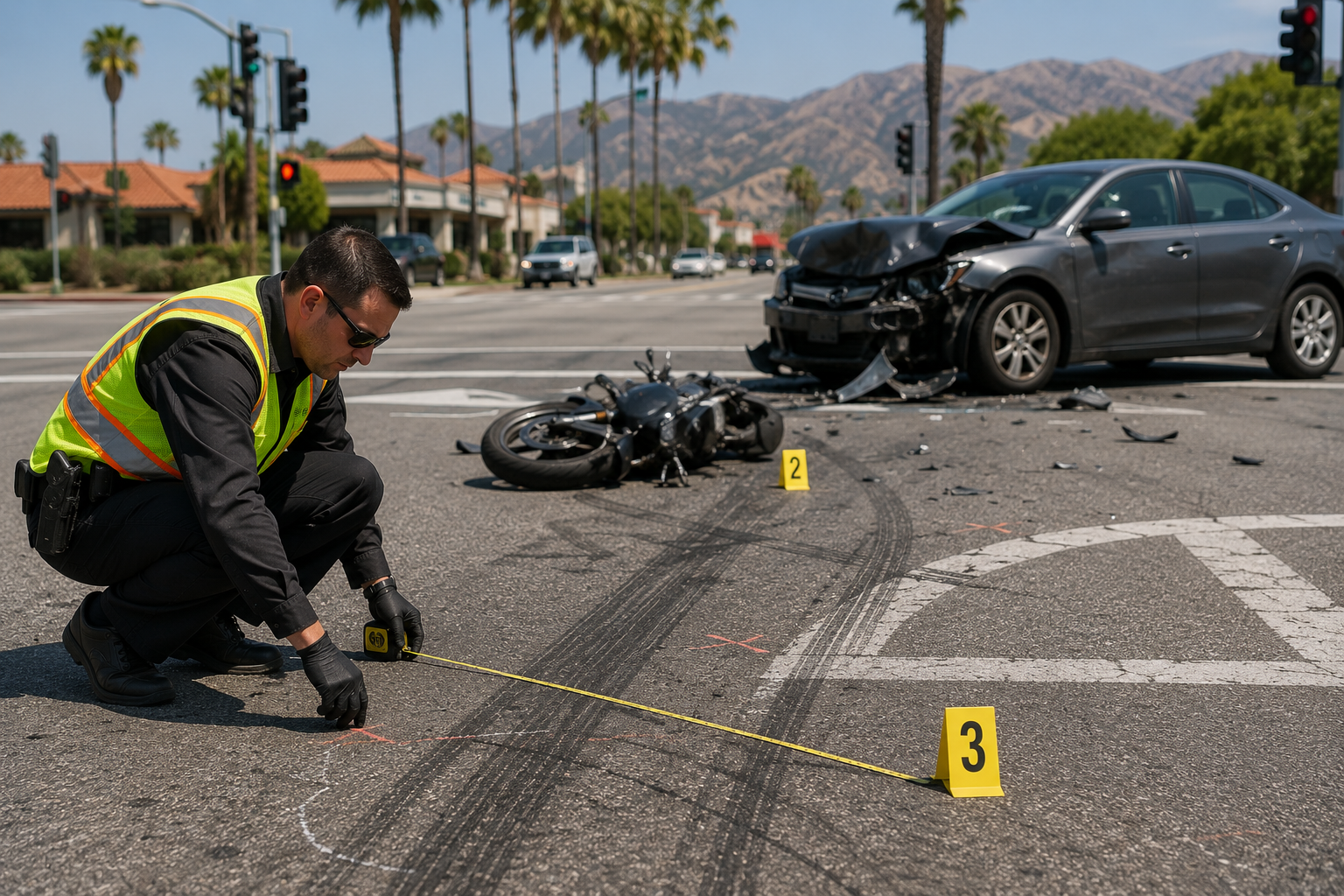
For those pursuing compensation after a crash, it’s essential to gather documentation such as photos of the accident scene, medical records, and repair estimates as soon as possible. Speed in handling claims could ultimately benefit those who can provide clear and organized evidence supporting their claim.
What This Means for Orange County Crash Victims
From the freeways like the I‑5 and 405 to surface streets where left‑turn crashes are common, Orange County riders face significant risk on the road. If you’re injured in a motorcycle collision, understanding how these 2026 insurance law changes affect your claim is critical to maximizing recovery.
Insurance companies will likely use new law provisions to challenge claims more aggressively. For that reason, consulting with an experienced Orange County motorcycle accident attorney can help preserve your rights and counter tactics that undervalue your damages.
Comparative Fault and Insurance Defenses
California uses comparative fault rules, meaning if you’re partially at fault for your crash — for example, due to speeding or lane splitting — your compensation may be reduced. After the 2026 changes, insurers may scrutinize fault more closely. Having a lawyer who understands both the old and new laws can protect your claim.
If you’re involved in a motorcycle accident, insurers will now pay particular attention to who was at fault, even if your involvement was minor. For example, if you were speeding slightly over the limit but another driver caused the accident, your compensation may be reduced. It is important to work with an attorney who knows how to handle comparative fault in California motorcycle claims, as insurers will likely use these rules to minimize their payouts.
Additional Coverage Options to Consider
 Beyond minimum liability, riders may benefit from:
- Uninsured/Underinsured Motorist Coverage – protects you if the at‑fault driver lacks adequate insurance.
- Medical Payments Coverage – helps pay medical expenses regardless of fault.
- Custom Equipment Coverage – important for riders with aftermarket parts.
Discuss these options with your insurance agent and attorney to determine what suits your riding habits and risk level. If you’re frequently riding long distances or through urban areas with higher accident rates, increasing your coverage could prevent serious financial setbacks.
Steps to Take After an Accident in 2026
Following a motorcycle crash in Orange County, start the claims process quickly. Key steps include:
- Call 911 and get a police report.
- Seek medical care even for minor symptoms.
- Take detailed photos of the scene, your bike, and injuries.
- Notify your insurer promptly.
- Consult an attorney before speaking with adjusters or signing releases.
Insurance companies are for‑profit businesses looking to minimize payouts. Your best protection under the 2026 law changes is strong legal guidance that understands how these new rules affect your rights.
Need Help with Your Orange County Motorcycle Insurance Claim?
If you or a loved one were injured in a motorcycle accident, your insurance claim is affected by the new California motorcycle insurance laws in 2026. An experienced motorcycle accident attorney can help you understand the implications of these changes, gather necessary evidence, negotiate with insurers, and pursue the compensation you deserve.
Contact Orange County Motorcycle Accident Attorney for a free consultation and case review.