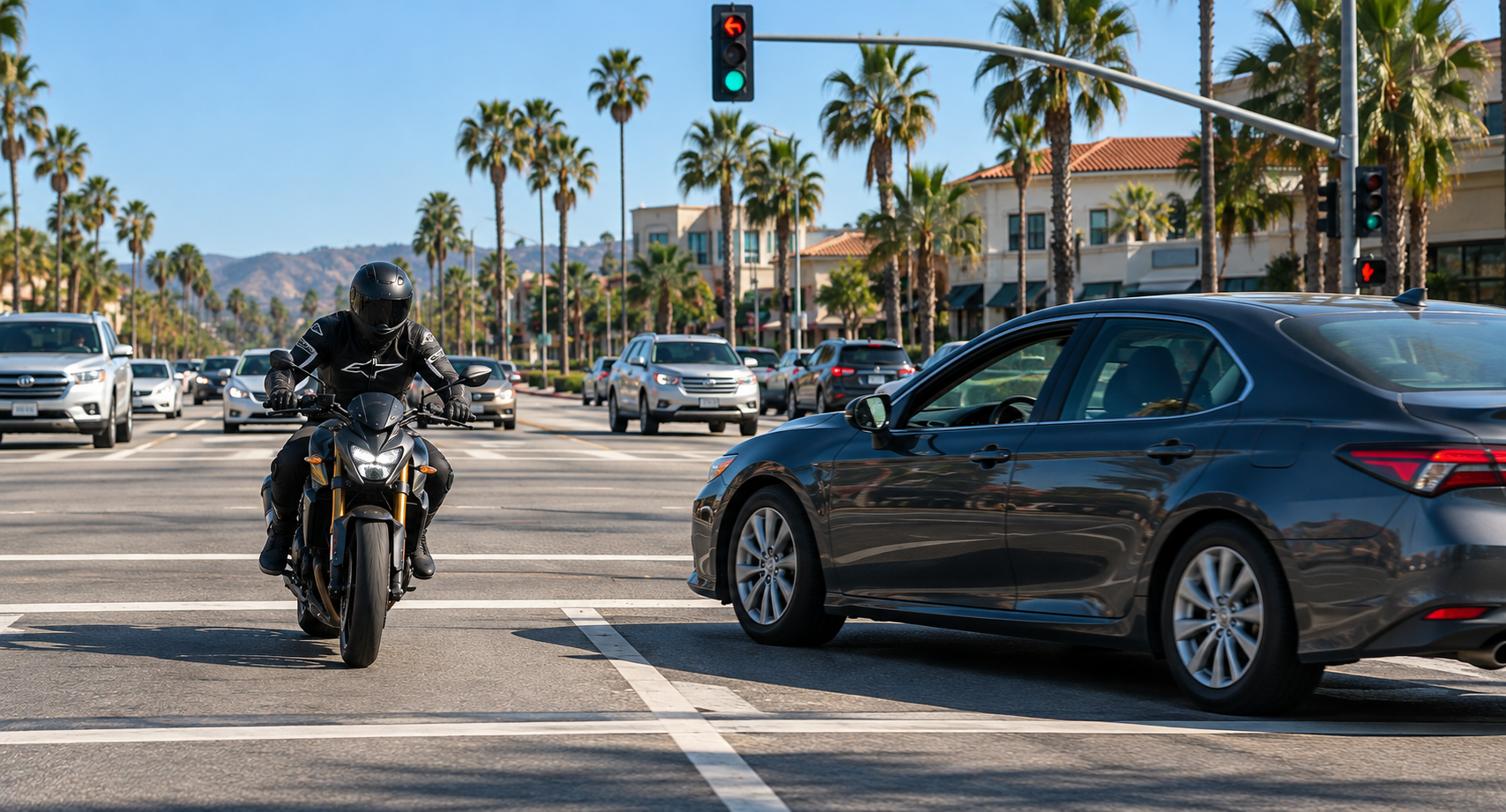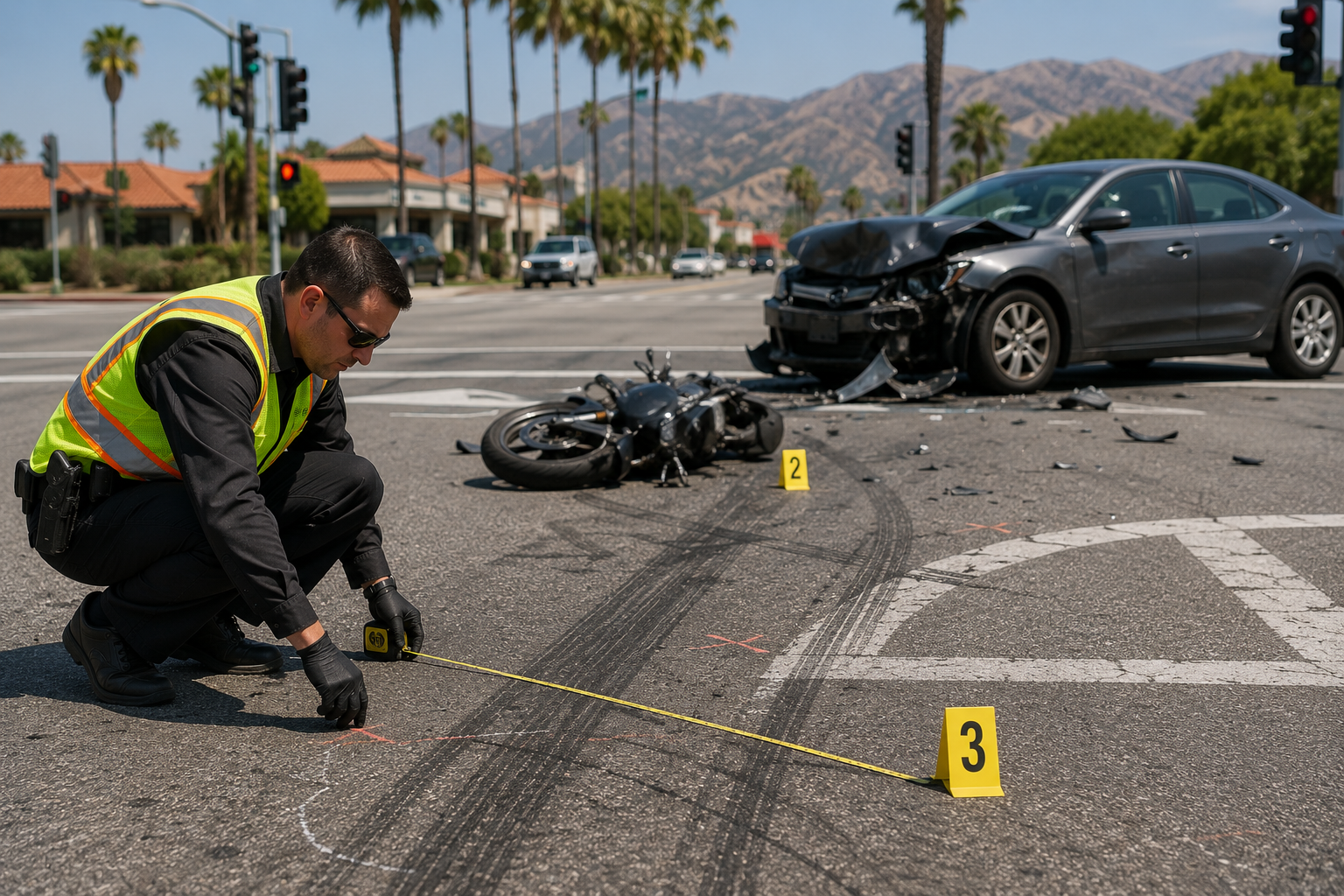
Motorcycle insurance is essential for every rider in California. While it’s required by law, it also offers financial protection and peace of mind. In this blog, we will explore why having the right motorcycle insurance is crucial, how it can protect you in the event of an accident, and what types of coverage every rider should consider. Motorcycle insurance ensures you can continue enjoying the open road without worrying about the financial risks of an accident.
1. Understanding the Basics of Motorcycle Insurance
 Motorcycle insurance provides coverage for riders involved in accidents, as well as for damages, injuries, or theft. In California, riders are legally required to have liability insurance, which covers damages to others if you are at fault. However, liability insurance doesn’t cover your own injuries or damages. That’s why it’s important to consider comprehensive coverage to ensure you’re fully protected on the road.
Motorcycle insurance is not just about meeting the legal minimum requirements but about safeguarding your financial well-being in the event of an accident. Accidents can result in major medical bills, repairs, or even total replacement of your bike. Without insurance, you would have to bear the burden of these costs alone. Motorcycle insurance offers protection against such financial risks, helping you recover both physically and financially after an accident.
2. Legal Requirements in California
California law mandates that all motorcycle riders carry at least the following minimum coverage:
- Bodily Injury Liability: Covers the cost of injuries you cause to another person in an accident.
- Property Damage Liability: Pays for any damage you cause to another person’s property in an accident.
While this is the minimum required, additional coverage options like medical payments, collision, and comprehensive coverage can offer further protection, especially in cases of severe accidents. If you’re unsure about California’s specific motorcycle insurance requirements, visit the California DMV – Motorcycle Registration.
California’s minimum liability requirements are designed to ensure that all motorcyclists carry basic protection. However, the standard minimums might not be enough to cover all potential costs. This is where additional coverage options can make a big difference in protecting you financially after an accident. Having the right insurance can help cover medical bills, lost wages, bike repairs, and more.
3. Types of Motorcycle Insurance Coverage
There are various types of insurance coverage available to motorcycle riders. Some of the key options include:
- Collision Coverage: Pays for repairs to your motorcycle after a collision, regardless of fault. If you’re involved in an accident, collision coverage will help you cover the repair costs or replacement of your bike.
- Comprehensive Coverage: Covers damage to your bike from incidents like theft, vandalism, or natural disasters. Whether your bike is stolen or damaged in a storm, comprehensive coverage will help cover the cost of repair or replacement.
- Uninsured/Underinsured Motorist Coverage: Protects you in case you’re in an accident with a driver who doesn’t have enough insurance or no insurance at all. Accidents with uninsured drivers can leave you with significant financial liabilities, but this coverage ensures you’re still protected.
- Medical Payments Coverage: Covers your medical bills after an accident, regardless of fault. It can also cover passengers who are injured on your bike. Having medical payments coverage can provide peace of mind knowing that your medical expenses will be handled.
Each of these types of coverage plays a different role in protecting you and your motorcycle. Depending on your personal riding habits, the value of your bike, and your financial situation, you may want to consider combining multiple coverage types for the best protection. The more comprehensive your coverage, the more peace of mind you will have while on the road. For more about motorcycle coverage, refer to the National Highway Traffic Safety Administration’s Motorcycle Safety Page.
4. How Motorcycle Insurance Can Protect You in an Accident
Motorcycle insurance protects riders in various ways. For instance, if you’re involved in an accident and sustain injuries, medical payments coverage can help with hospital bills. If you’re at fault, liability insurance covers the other person’s injuries and property damage. In the case of theft, comprehensive coverage can help you replace your bike. Without insurance, you could face significant out-of-pocket expenses, legal fees, and potential lawsuits.
Moreover, California riders should be aware that not having insurance can lead to severe penalties, including fines and license suspension. So, even if you don’t ride often, it’s crucial to keep your policy active to avoid legal consequences. For information on safety measures to prevent motorcycle accidents, check the Motorcycle Safety Page.
5. Choosing the Right Motorcycle Insurance for You
When shopping for motorcycle insurance, it’s essential to consider your individual needs. Factors like your riding history, type of motorcycle, and frequency of riding all affect your coverage needs. Working with a knowledgeable insurance agent can help you find the best coverage for your situation.
For example, if you’re a new rider, you may want to consider more comprehensive coverage to ensure you’re fully protected in case of an accident. If you ride a high-performance or expensive bike, higher coverage limits might be necessary to protect the full value of your motorcycle. Additionally, consider the areas where you typically ride and any additional coverage for potential road hazards.
When selecting your insurance, don’t simply go with the cheapest option. Understand the terms of the policy, the deductible amounts, and the exclusions. Choosing the right policy can be the difference between financial security and facing a major financial setback after an accident. For more advice on selecting the right insurance, visit Insurance.com’s Motorcycle Insurance Guide.
6. The Importance of Understanding Your Policy
 Once you’ve purchased your insurance, it’s essential to fully understand the terms of your policy. Ask questions about your coverage limits, exclusions, and any additional riders or benefits. Make sure you know exactly what is covered in the event of an accident. Understanding your policy can help avoid confusion and ensure you get the proper compensation when needed.
If you’re unsure about any aspect of your policy, it’s a good idea to consult with your insurance agent or an attorney. Your policy should provide detailed answers to questions like:
- What happens if I’m in an accident caused by an uninsured driver?
- How much coverage will I get for medical bills?
- Does my policy cover the replacement of my motorcycle in case of theft?
7. Additional Coverage Options to Consider
While liability, collision, and comprehensive coverage are standard, there are several optional insurance options that can enhance your protection. These include:
- Roadside Assistance: This optional coverage provides help if your bike breaks down or you need a tow due to an accident.
- Custom Parts and Equipment Coverage: If you’ve added custom parts to your bike, this coverage ensures that they are covered in the event of an accident or theft.
- Rider Injury Protection: This option covers your medical bills, lost wages, and funeral expenses if you’re injured or killed in an accident.
These additional options can significantly improve your coverage and provide added peace of mind while you’re on the road. Riders should evaluate these options carefully, considering their personal needs, and consult with an insurance agent to make sure they are adequately protected.