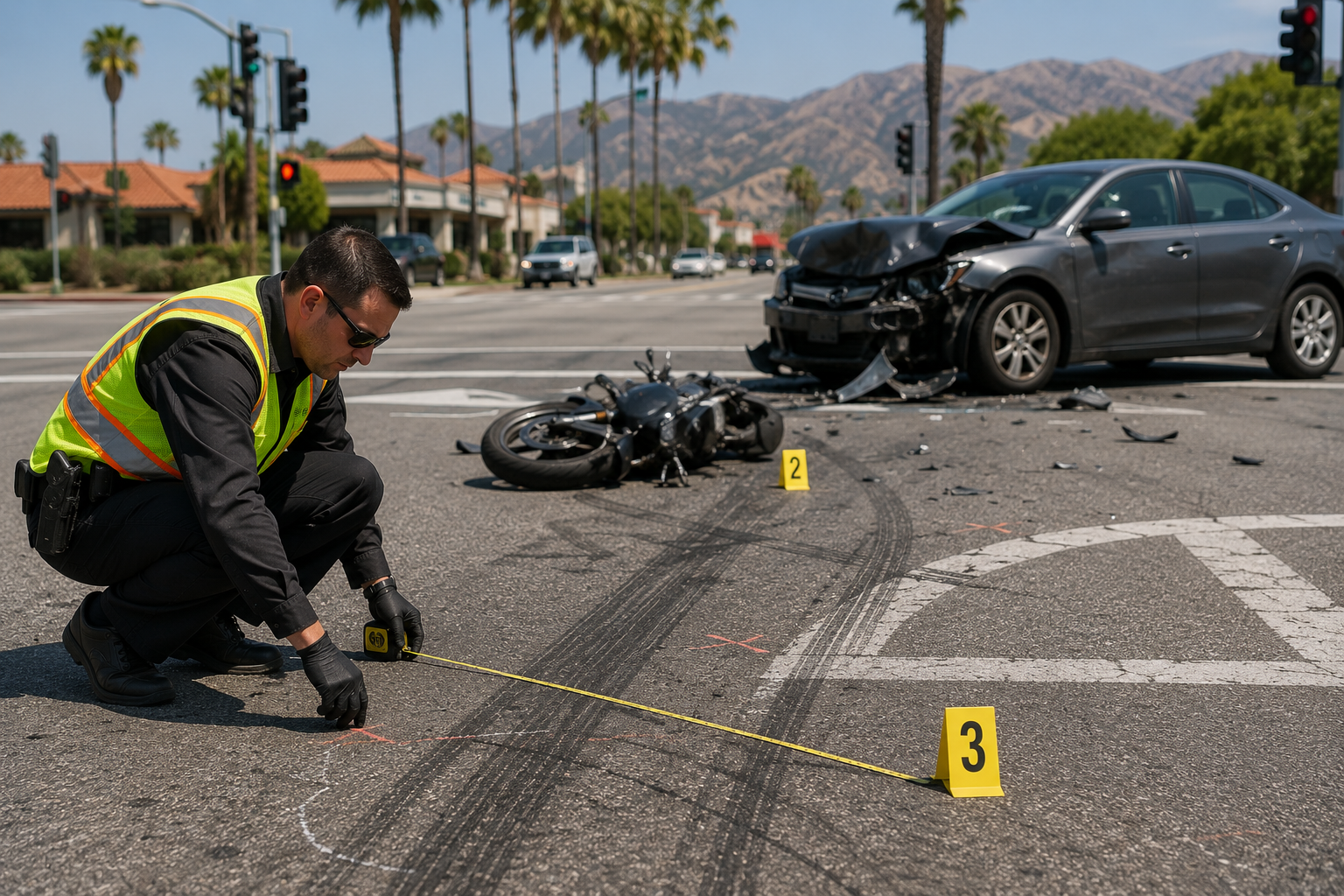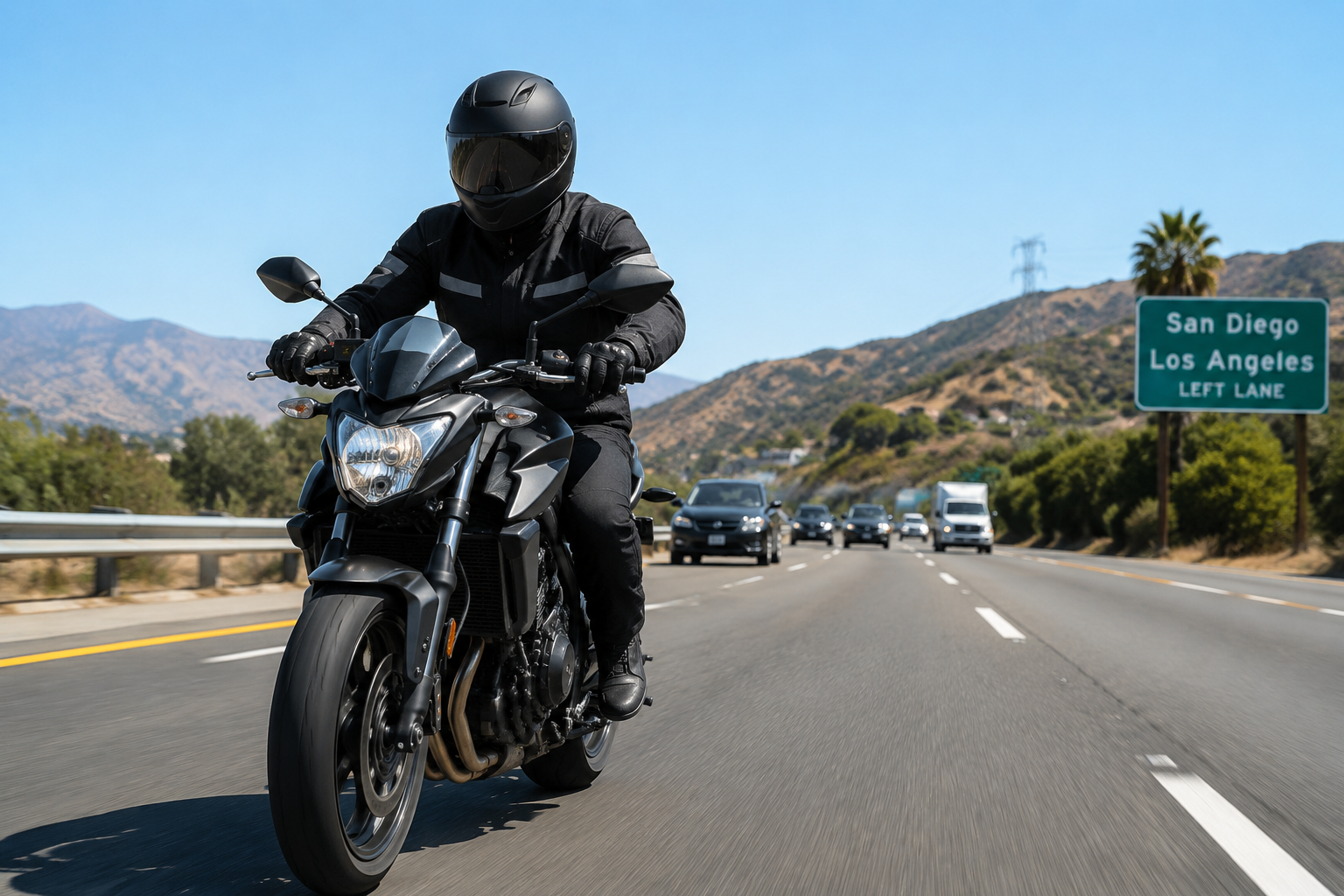
Motorcycle riding is an exhilarating experience that offers freedom and adventure on the open road, but it comes with inherent risks. Every year, thousands of motorcycle accidents occur in California due to a combination of road hazards, driver negligence, and rider error. While no method can completely eliminate the risks, practicing defensive riding significantly reduces the likelihood of accidents and injuries. Defensive riding involves anticipating potential hazards, staying aware of your surroundings, and taking proactive steps to protect yourself and others on the road.
1. Always Wear Proper Protective Gear
The first and most important step in defensive riding is to wear appropriate protective gear. A high-quality, DOT-approved helmet protects your head from serious injuries during an accident. In addition to a helmet, riders should wear gloves, jackets, pants, and boots designed for motorcycle use. Protective gear not only reduces injury severity in a crash but also enhances comfort, grip, and control while riding. For detailed safety guidance, check resources like the NHTSA Motorcycle Safety Page.
Full protective gear helps shield riders from environmental hazards like flying debris, harsh weather, and road conditions. Reflective or brightly colored clothing improves visibility, making it easier for other drivers to see you, especially at dawn, dusk, or nighttime. Investing in the right gear is a small cost compared to the potential medical expenses or life-changing injuries that could occur in a crash.
2. Stay Visible and Maintain Situational Awareness
Visibility is critical for defensive riding. Many motorcycle accidents occur because other drivers fail to notice the rider. Motorcyclists should always ride in a lane position that maximizes visibility to other drivers. Avoid riding in blind spots, and regularly scan mirrors and intersections to assess traffic flow and potential hazards. Using your headlight during the day and wearing reflective elements on jackets or helmets can also increase your visibility.
Situational awareness goes beyond visibility. Defensive riders constantly monitor surrounding vehicles, anticipate movements, and watch for sudden stops or lane changes. This proactive awareness allows for faster reaction times in case of unexpected events, such as a vehicle abruptly changing lanes, pedestrians crossing, or debris on the roadway. Resources like the CDC Motorcycle Safety Page provide practical tips on staying alert and reducing accident risks.
3. Maintain Safe Following Distances
Keeping a safe following distance is a cornerstone of defensive riding. Motorcycles require a greater stopping distance compared to smaller vehicles, and a buffer zone allows more time to react to sudden changes. A recommended rule is to maintain at least a two-second gap between your bike and the vehicle in front, increasing the distance during adverse weather conditions or high-speed traffic.
Maintaining space also gives you options to maneuver safely. If a vehicle ahead brakes suddenly or a hazard appears, having sufficient distance allows you to swerve, brake, or accelerate to avoid a collision. Defensive riders must anticipate the actions of drivers ahead and adjust their speed and positioning accordingly. Practicing these habits consistently can significantly reduce the likelihood of rear-end accidents and other common collisions.
4. Monitor Traffic and Blind Spots
 Constantly monitoring traffic and blind spots is essential for defensive riding. Before changing lanes or merging, perform a thorough check of mirrors and look over your shoulder to ensure no vehicles are in your blind spots. Motorcycles are smaller and can easily be overlooked by other drivers, making blind-spot awareness critical. Defensive riders assume that other drivers may not see them and always prepare for sudden changes in traffic patterns.
Additionally, maintain awareness of vehicles approaching from behind. Vehicles traveling at higher speeds may close the distance faster than expected. Defensive riders anticipate these movements and adjust their position or speed to avoid potential collisions. This proactive behavior is a defining characteristic of skilled motorcyclists and can prevent many common types of accidents.
5. Avoid Riding in Poor Weather
Rain, fog, or strong winds increase the risk of accidents due to reduced traction and visibility. Defensive riders avoid riding in extreme weather whenever possible. If riding is necessary, adjust your speed, increase following distances, and use extra caution. Wet roads, oil patches, and puddles can cause loss of traction, and fog reduces visibility for both you and other drivers.
Wearing gear designed for weather conditions, such as waterproof jackets and boots, also improves safety. Anti-fog visors on helmets and proper lighting further enhance your ability to see and be seen. Understanding how weather impacts motorcycle handling is a critical part of defensive riding and ensures safer travel even in less-than-ideal conditions.
6. Be Mindful of Intersections
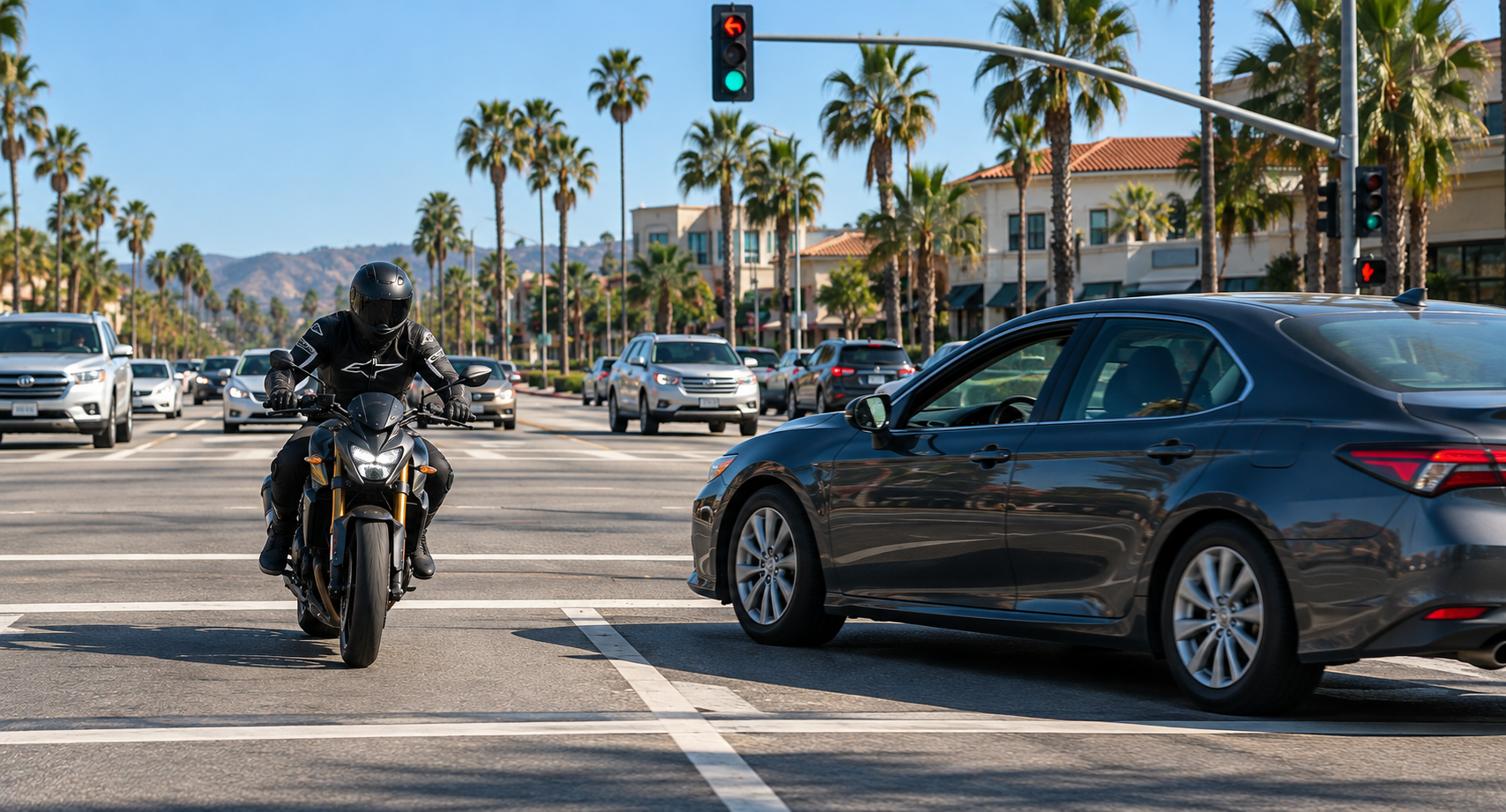
Intersections are high-risk zones for motorcycles. Many accidents occur because vehicles turning or changing lanes fail to see a motorcyclist approaching. Defensive riders approach intersections with caution, scanning for turning vehicles, pedestrians, and traffic signals. Always anticipate potential hazards and reduce speed when entering an intersection.
Techniques like covering the brake and preparing for evasive maneuvers allow you to react quickly to unexpected situations. Defensive riders also avoid lingering in the “blind zones” of larger vehicles, such as trucks or buses, which can obstruct visibility. Practicing heightened alertness at intersections significantly lowers the risk of collisions and improves overall riding safety.
7. Practice Emergency Maneuvers
Even the most skilled riders can encounter unpredictable situations. Practicing emergency maneuvers like sudden braking and swerving helps riders react effectively to hazards. Motorcycle safety courses often provide hands-on training to improve these skills in a controlled environment. These techniques prepare riders for real-world scenarios where split-second decisions can prevent accidents.
Emergency maneuvers should be practiced regularly, not just once. Maintaining proficiency ensures that you can control your bike safely under stress, whether avoiding a distracted driver, debris, or sudden obstacles. Combining emergency maneuver training with defensive riding principles creates a strong foundation for accident prevention.
8. Avoid Riding While Impaired or Distracted
Never ride under the influence of alcohol or drugs. Impaired judgment, delayed reaction time, and reduced coordination significantly increase accident risks. Even prescription medications can affect your ability to safely operate a motorcycle. Additionally, avoid distractions like adjusting your phone, GPS, or music while riding. Defensive riding requires full attention and focus.
Being mentally alert allows you to anticipate hazards, maintain lane control, and respond effectively to sudden traffic changes. Staying free from distractions and impairment is one of the simplest yet most effective defensive strategies. Remember, riding responsibly protects not only you but everyone sharing the road.
9. Regular Bike Maintenance
A well-maintained motorcycle is safer and easier to control. Regularly check tires, brakes, lights, signals, and fluid levels. Mechanical failures, such as brake or tire issues, can lead to preventable accidents. Defensive riders ensure that their motorcycles are in top condition before every ride.
Preventative maintenance not only ensures safety but also improves performance and handling. Knowing that your bike is fully operational allows you to focus on riding defensively without worrying about equipment failure. A pre-ride checklist is a helpful habit for all motorcyclists.
10. Continuous Education and Riding Experience
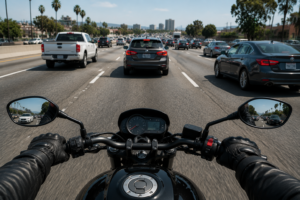 Defensive riding is a skill that improves with experience and continuous learning. Attending advanced rider courses, staying updated on traffic laws, and practicing new techniques helps riders anticipate hazards and handle complex situations. Knowledge combined with experience allows motorcyclists to make better decisions and reduce risks on California roads.
Resources like the Motorcycle Safety page offer tips, training information, and guidance for riders seeking to improve their skills. Continuous education empowers riders to confidently navigate traffic while maintaining safety for themselves and others.
Conclusion
Defensive riding is essential for motorcyclists in California. By wearing proper gear, maintaining awareness, practicing safe following distances, monitoring traffic, avoiding poor weather, and continuously improving skills, riders can significantly reduce the risk of accidents. Implementing these techniques ensures a safer, more enjoyable riding experience while protecting yourself and those around you on the road.