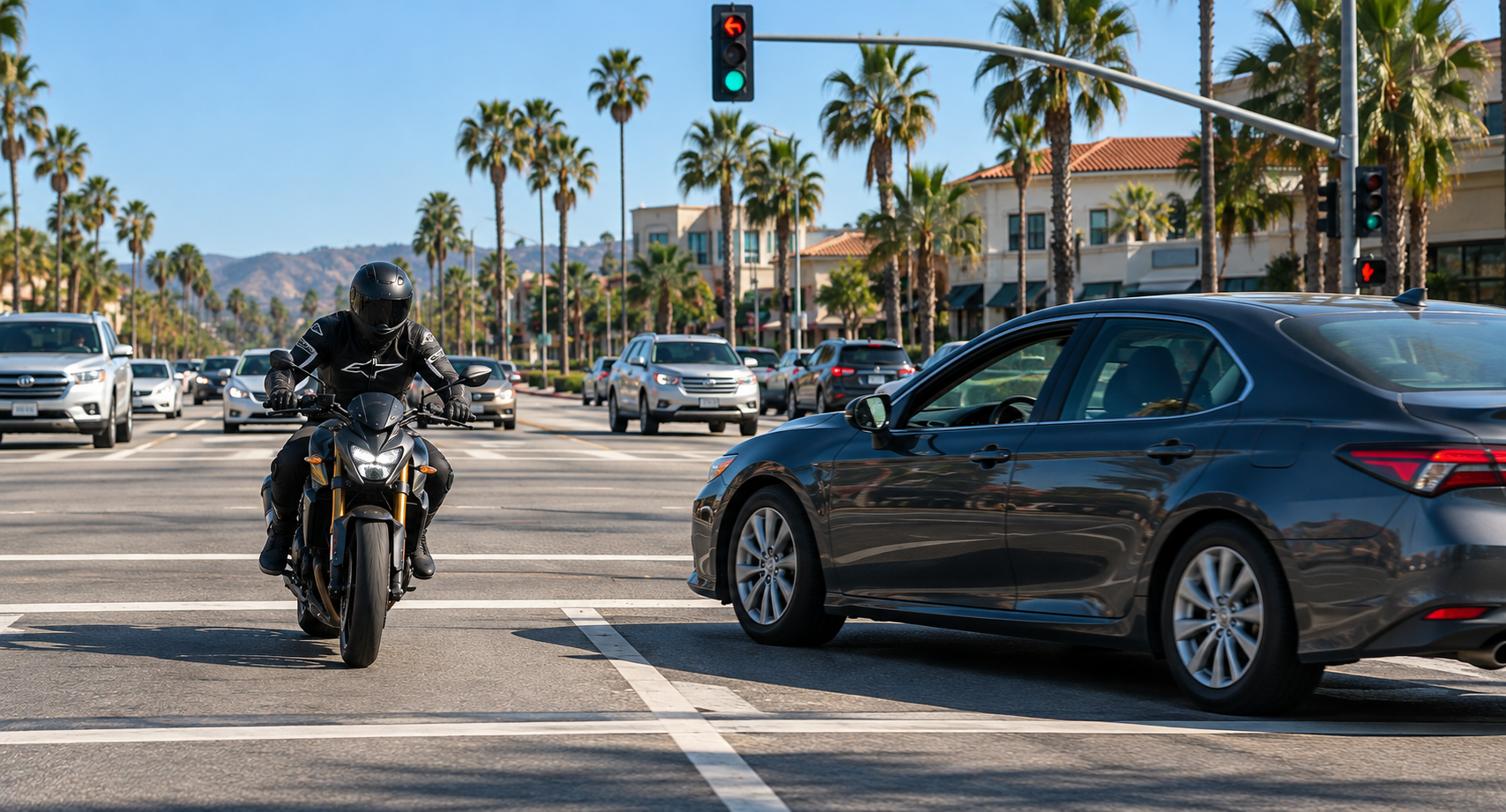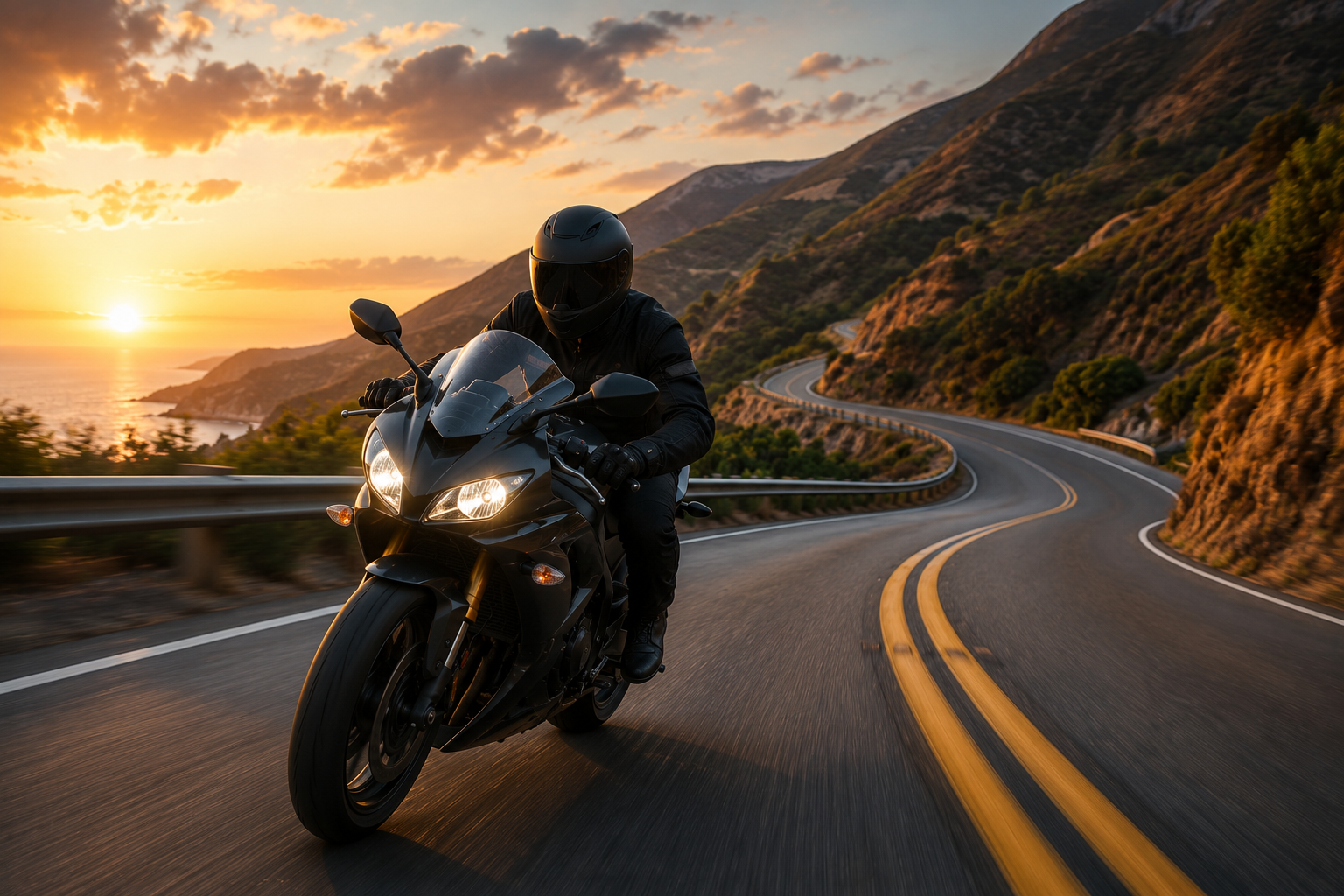
Lane splitting is a unique aspect of motorcycle riding in California that allows motorcyclists to ride between lanes of slow-moving or stopped traffic. While legal in California, many riders are unsure about the specific rules, when it’s safe, and how to do it responsibly. Understanding the law and following safety guidelines can prevent accidents and improve overall rider safety. For more tips on motorcycle safety, visit our Motorcycle Safety page.
1. What Is Lane Splitting?
Lane splitting, also known as white-lining, is when a motorcycle rides between two lanes of traffic moving in the same direction. It is legal in California under certain conditions, and is intended to reduce congestion and improve safety by preventing motorcycles from sitting in long lines of traffic. The National Highway Traffic Safety Administration (NHTSA) provides data showing that lane splitting can reduce rear-end collisions for motorcycles when done safely.
2. How Lane Splitting Works in California
 California Vehicle Code Section 21658.1 allows motorcycles to lane split when:
- The motorcycle is traveling between lanes of traffic moving in the same direction.
- The traffic is moving at 30 mph or less (recommended by CHP safety guidelines).
- The lane splitting speed does not exceed 10 mph faster than the surrounding traffic.
- The maneuver can be made safely without endangering the rider or other road users.
While lane splitting is legal, it is not required. Riders must use judgment and consider traffic, road conditions, and weather. Improper lane splitting can lead to accidents and legal consequences. For detailed guidance on California motorcycle laws, check the California DMV Motorcycle Guide.
3. Common Misconceptions About Lane Splitting
Many drivers assume lane splitting is illegal, which can create tension on the road. Some riders also believe they can split at any speed, which is not true. Following California law and CHP guidelines ensures that lane splitting is performed safely and legally. Defensive riding is key to preventing collisions when other drivers are unaware of a motorcycle in the lane. For further defensive riding tips, check out our Defensive Riding Tips article.
4. Safety Tips for Lane Splitting
Riders should follow these safety tips when lane splitting:
- Always wear DOT-approved helmets and full protective gear.
- Check traffic patterns and avoid splitting in heavy traffic when vehicles are moving faster than 30 mph.
- Use mirrors and check blind spots constantly.
- Keep a safe speed differential relative to surrounding vehicles.
- Be prepared for sudden lane changes or doors opening from adjacent cars.
5. Benefits of Lane Splitting
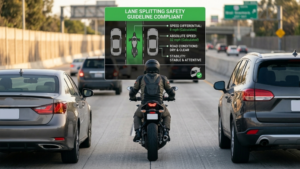 When done responsibly, lane splitting can reduce congestion, prevent rear-end collisions, and improve traffic flow. Motorcycles spend less time idling between cars, reducing frustration for riders and drivers alike. It also reduces heat and fuel stress on motorcycles, especially in stop-and-go traffic common in urban California areas. According to the CDC Motorcycle Safety Resources, lane splitting done within legal speed limits can help minimize risk when compared to riding in stop-and-go lanes.
6. Legal and Liability Considerations
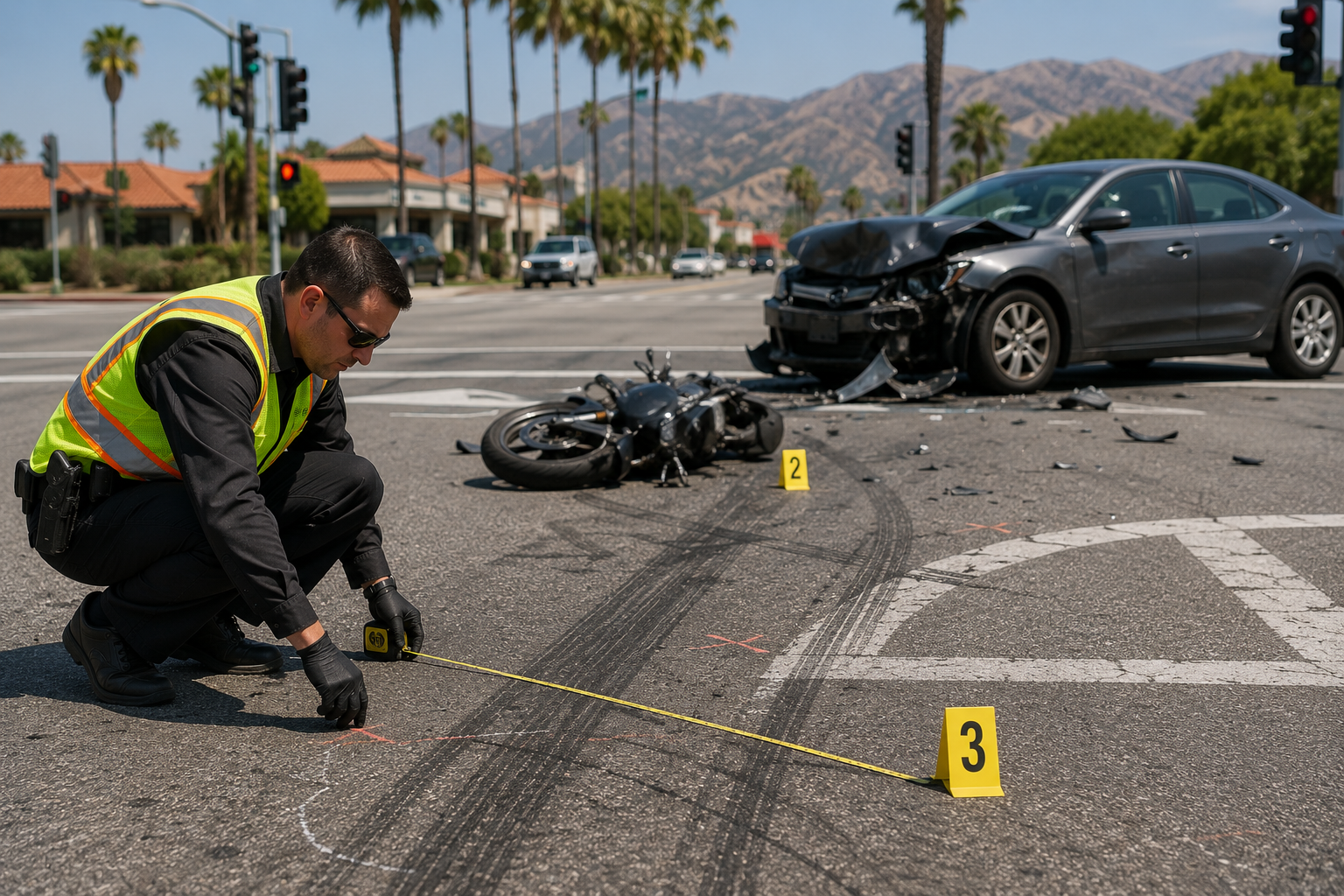
Even when lane splitting is legal, motorcyclists are responsible for maintaining safe control. Unsafe maneuvers that lead to accidents can result in citations, fines, and liability for damages. Insurance companies may review the circumstances of any accident to determine coverage based on rider behavior and compliance with lane splitting laws. Always follow defensive riding techniques and stay informed with updated motorcycle safety guidelines.
Conclusion
Lane splitting is a legal and valuable practice in California that, when performed responsibly, enhances motorcycle safety and traffic efficiency. By understanding the law, staying visible, and practicing defensive riding, motorcyclists can safely navigate between lanes, reducing the risk of accidents and improving their overall riding experience.