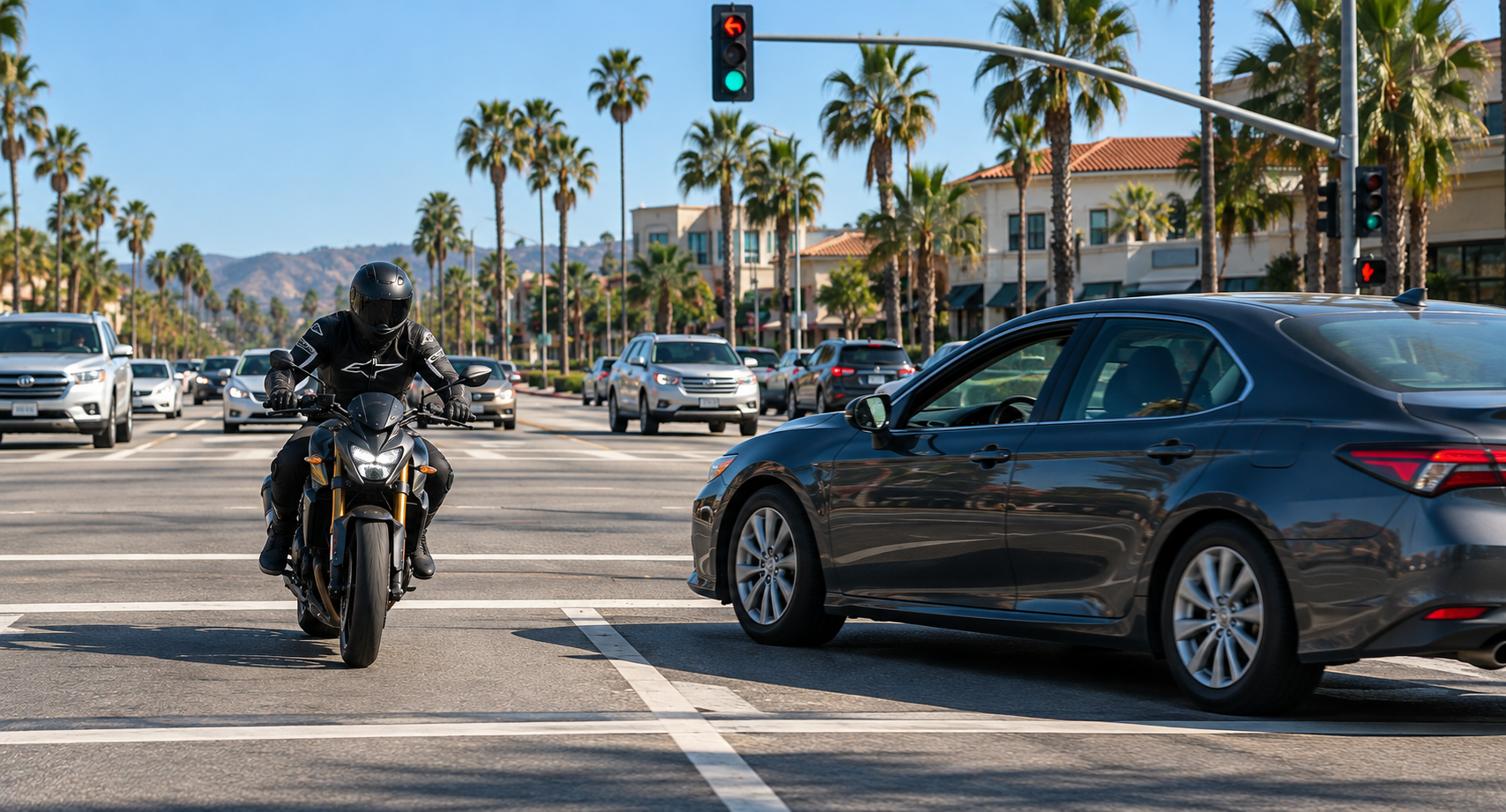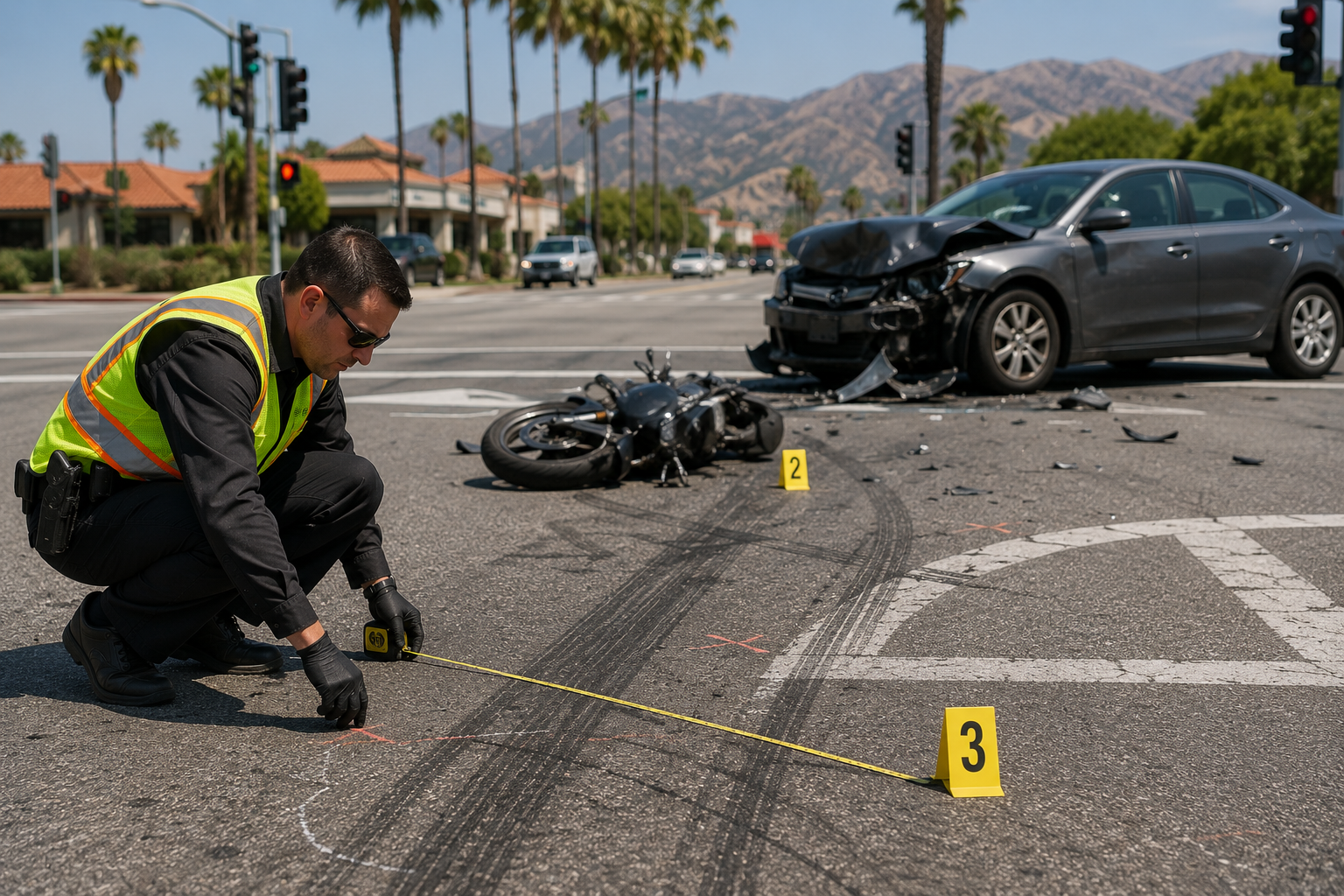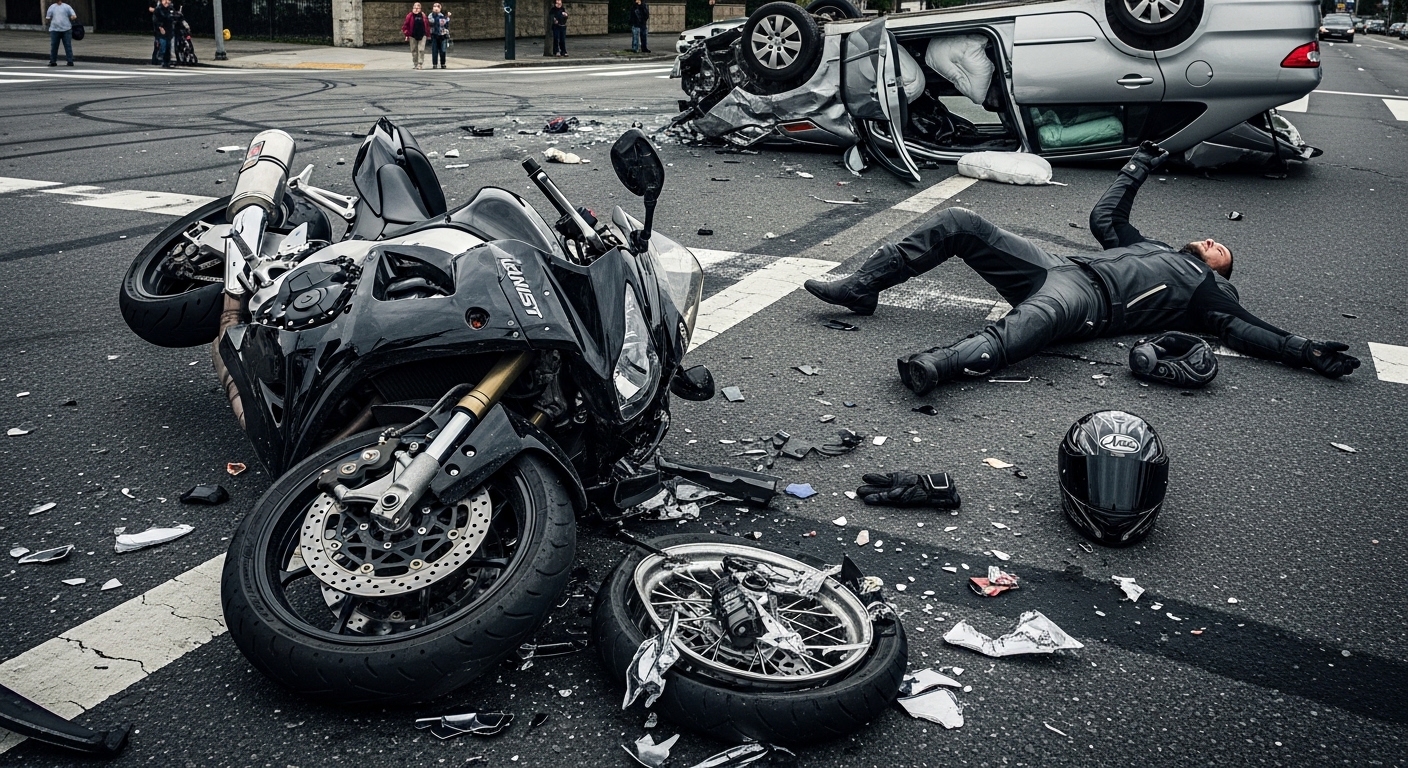
Motorcycle accidents can happen in the blink of an eye, but understanding the common causes of these crashes can help riders stay safe. In California, where motorcycles are a popular mode of transportation, it’s crucial for riders to be aware of the risks on the road. This blog will explore the most frequent causes of motorcycle accidents and provide tips on how to avoid them. By recognizing these hazards and taking preventive measures, you can reduce your risk of being involved in an accident.
1. Speeding
Speeding is one of the leading causes of motorcycle accidents. Motorcyclists are often tempted to speed due to the freedom and thrill that riding offers. However, exceeding speed limits can reduce the rider’s ability to react to hazards and increases the severity of injuries in the event of a crash. It’s essential to ride at a safe and legal speed to maintain control of your motorcycle and ensure your safety.
Speeding also reduces the time you have to react to unexpected situations, such as sudden stops or changes in road conditions. Excessive speed increases stopping distances, making it harder to avoid obstacles or other vehicles. This risk is particularly heightened on highways and freeways, where high speeds are common. Riding at high speeds not only puts your life in danger but also increases the risk of serious accidents with other vehicles. It is crucial to adhere to posted speed limits and adjust your speed based on traffic, road conditions, and visibility.
In fact, statistics show that speeding motorcycles are involved in a disproportionate number of fatal accidents. California riders can reduce the risk of these accidents by maintaining a reasonable speed and being mindful of changing conditions. Remember, riding at a safe speed doesn’t just protect you – it helps ensure the safety of other road users as well. For more on speed-related accidents and safety tips, visit the National Highway Traffic Safety Administration (NHTSA).
2. Distracted Driving
 Both motorcyclists and other drivers are often distracted by smartphones, navigation systems, or other devices. Distracted driving can lead to accidents, as it takes your focus off the road. Motorcyclists should avoid using their phones or other distractions while riding. It’s also important for drivers of other vehicles to remain aware of their surroundings and avoid distractions, such as texting or using their phone while driving.
California has strict laws against texting and driving, but despite this, it remains a significant cause of accidents. Many motorcycle accidents occur when other drivers fail to notice the motorcyclist due to distractions. It’s essential for motorcyclists to stay vigilant and assume that other drivers may not see them. Defensive riding is key to avoiding collisions caused by distracted drivers. Keep a safe distance from other vehicles and stay prepared for the unexpected.
Riders should also avoid distractions like adjusting their helmets, wearing earbuds, or engaging in other activities while riding. Keeping focused on the road ensures that you are ready to respond to potential hazards. The CDC – Distracted Driving provides useful information on how to reduce distractions while driving or riding. It’s important for both riders and other drivers to be mindful and attentive at all times.
3. Poor Road Conditions
Potholes, uneven road surfaces, and debris are common hazards that motorcyclists face, especially in urban and rural areas. Motorcycles are more vulnerable than cars when it comes to poor road conditions. A sudden pothole or loose gravel can cause a motorcycle to lose control, leading to a crash. These issues are particularly dangerous because riders have less protection than drivers of other vehicles.
Riders must always be vigilant when navigating through areas with poor road conditions. If possible, try to avoid known trouble spots and adjust your speed accordingly. In many cases, poor road conditions are a significant contributor to crashes. Riders should look for any potential hazards ahead and take necessary precautions. Slowing down when approaching unfamiliar roads or sections of highway with poor visibility or roadwork can significantly reduce the risk of accidents.
Motorcyclists should also be aware of environmental hazards, such as leaves or gravel on the road, which can cause slipping or loss of traction. If you encounter debris or other hazards, slow down to give yourself more time to react. California’s Caltrans provides updates on road conditions and construction projects that may affect motorcyclists. It’s important to stay informed about your route to avoid hazardous conditions.
4. Alcohol and Drug Use
Riding a motorcycle under the influence of alcohol or drugs significantly impairs judgment, coordination, and reaction time. In California, riding while intoxicated is illegal, and it can result in severe accidents, injuries, and legal consequences. In fact, alcohol is one of the leading contributors to motorcycle crashes.
Motorcycle riders need to be especially cautious about alcohol consumption, as the effects are more pronounced when riding. Alcohol impairs the ability to react quickly to hazards, increases risk-taking behaviors, and reduces the rider’s balance and control. Drugs, both prescription and recreational, can have similar effects. If you’re planning to drink or take substances, never ride your motorcycle. Instead, use public transportation, a taxi, or designate a sober rider.
To avoid accidents caused by impaired riding, always designate a sober rider or use alternative transportation if you plan to consume alcohol. California’s Office of Traffic Safety provides resources and campaigns to help prevent drunk driving and riding. It’s crucial for riders to remember that riding under the influence not only puts them at risk but also endangers everyone else on the road.
5. Inexperienced Riders
 Inexperience is another major cause of motorcycle accidents. New riders may not have the skills necessary to navigate complex traffic situations or react quickly in an emergency. Taking a motorcycle safety course and gradually increasing riding experience can significantly reduce the chances of an accident.
California offers a variety of training programs through the California Motorcycle Safety Program (CMSP) to help riders of all skill levels improve their skills. Whether you’re a new rider or someone looking to refresh your skills, taking a safety course is an excellent way to stay safe on the road. Motorcycle safety courses teach critical skills such as defensive riding, proper braking, and how to handle emergency situations.
New riders should also avoid riding in high-traffic areas or in adverse weather conditions until they gain more experience. Building up riding experience in safer, less busy environments can help riders improve their skills and build confidence. Training and practice are essential for becoming a safe and skilled rider.
6. Lane Splitting
Lane splitting, or riding between two lanes of traffic, is legal in California but remains controversial. While it may seem like an efficient way to navigate through traffic, lane splitting can be dangerous if not done correctly. Sudden lane changes by other vehicles or poor visibility can increase the risk of a crash.
Motorcyclists should be cautious when lane splitting and ensure they are not exceeding the speed of traffic. Additionally, they should avoid lane splitting in heavy traffic or when conditions are not ideal, such as poor weather or low visibility. Lane splitting should only be done when it is safe and legal. The California Highway Patrol offers guidelines for safe lane splitting to help riders stay safe while navigating through traffic.
7. Visibility Issues
Motorcycles are smaller and less visible than cars, making it more difficult for other drivers to notice them. A significant cause of motorcycle accidents is the failure of other drivers to see motorcyclists, especially at intersections or when changing lanes. Riders should always ensure they are visible, especially at night or in poor weather conditions.
Wearing bright-colored clothing, reflective vests, and using headlights during the day can improve visibility. Additionally, riders should always assume that other drivers may not see them, and they should be prepared to react accordingly. It’s also important to make eye contact with other drivers when possible and avoid riding in blind spots. For more information on improving visibility, visit the National Highway Traffic Safety Administration.
Conclusion:
Motorcycle accidents can be life-altering, but understanding the common causes can help riders take the necessary precautions to stay safe. By following safe riding practices, remaining aware of road conditions, and understanding the risks associated with speed, distractions, and impairment, motorcyclists can reduce their chances of being involved in an accident. Safety should always be the top priority on the road, and the more informed and prepared a rider is, the better they can protect themselves and others around them.