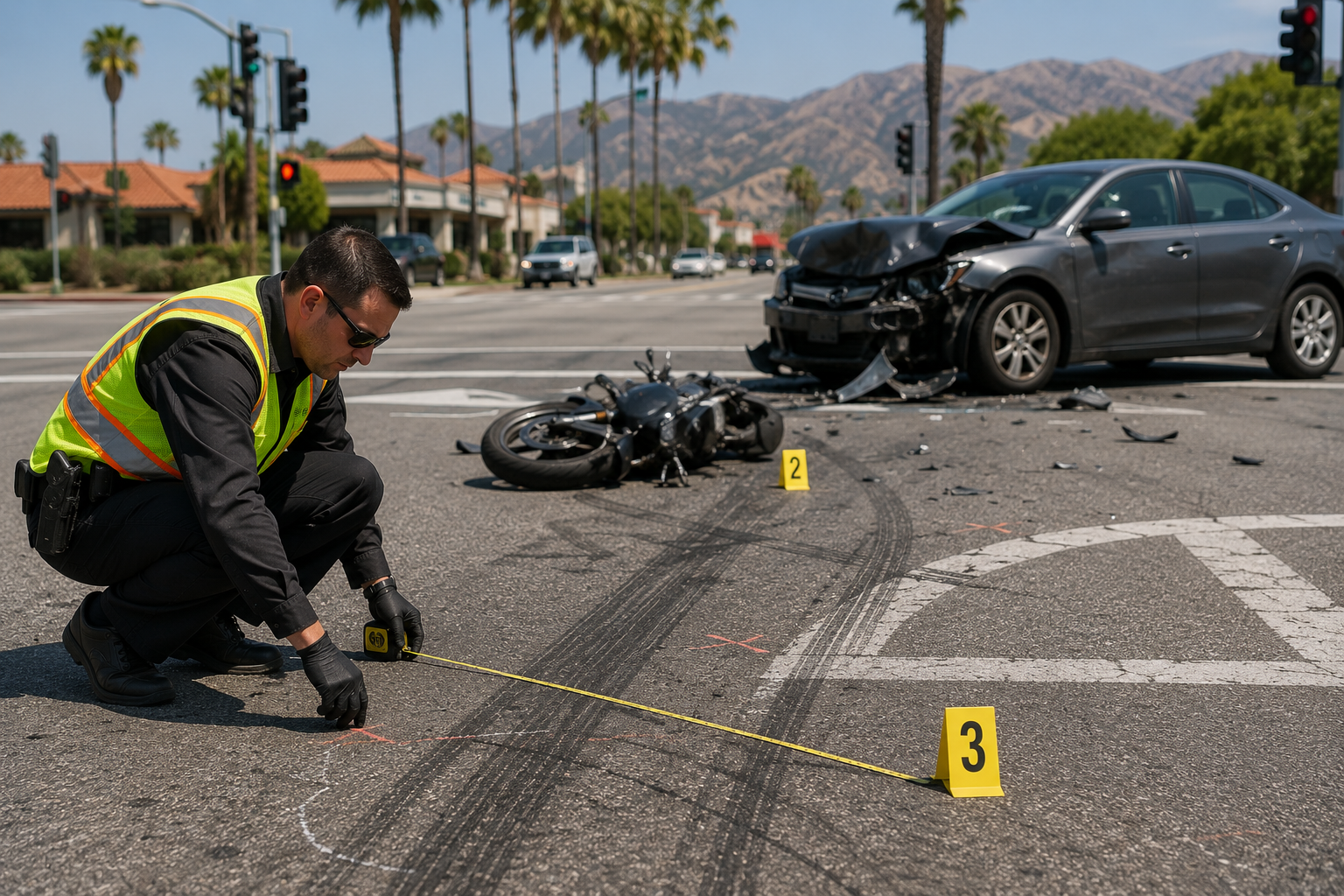
Motorcycle accidents are often sudden, frightening, and can lead to serious injuries. If you’ve been involved in a motorcycle accident in Orange County, it’s crucial to know what steps to take to ensure your safety and protect your rights. The aftermath of an accident can be overwhelming, but by following a few key actions, you can set yourself up for a successful insurance claim or legal case.
Here’s a step-by-step guide to what you should do after a motorcycle accident in Orange County.
1. Check for Injuries and Ensure Safety
First and foremost, ensure that you and anyone else involved in the accident are safe. Even if you feel fine, it’s essential to check for injuries as some may not be immediately apparent. Common injuries in motorcycle accidents include head trauma, spinal injuries, broken bones, and road rash.
-
Stay Calm: Take a moment to breathe and assess the situation. Panicking will only make things more stressful.
-
Check for injuries: If you’re injured, do not attempt to move unless there’s an immediate danger (e.g., fire).
-
Move to a Safe Location: If you’re able to, and if it’s safe, move to the side of the road to avoid further accidents.
2. Call 911 and Report the Accident
In California, you are required to report any accident resulting in injury or property damage. Even if you don’t think the accident is severe, it’s essential to call the police.
-
Provide Information Clearly: When the police arrive, give them an accurate and clear account of the accident. Do not admit fault at this stage.
-
Request an Accident Report: The police will file a report, which is critical for your insurance claim and any potential legal action.
-
Emergency Medical Services: If you or others are injured, ask for an ambulance immediately.
3. Exchange Information with the Other Party
If you are able to, exchange information with the other driver or parties involved in the accident. This information will be essential for insurance claims and any future legal actions.
-
Obtain the following:
-
Names and contact details
-
License plate numbers
-
Driver’s license numbers
-
Insurance policy details
-
Make and model of vehicles involved
-
-
Document the scene: Use your phone to take pictures of the vehicles, damage, and any visible injuries. This evidence can be critical for your case later.
4. Document the Accident Scene
Gather as much evidence as possible. The more documentation you have, the stronger your case will be if you need to file a claim or lawsuit.
-
Photographs: Take pictures of the scene, including the damage to your motorcycle, the other vehicle(s), the surrounding area, and any road conditions (potholes, weather, debris).
-
Witnesses: If there were any witnesses to the accident, ask for their contact information and a brief statement of what they saw. Witness testimony can be invaluable when proving fault.
-
Note any conditions: Document the road conditions, weather, and lighting. These factors can help determine fault, especially in accidents where road conditions contributed.
5. Seek Medical Attention
Even if you feel okay right after the accident, it’s important to get checked by a healthcare professional. Some injuries, such as concussions, whiplash, or internal injuries, may not show symptoms immediately. A medical professional will conduct a thorough evaluation and document your injuries, which is essential for your legal and insurance claims.
-
Follow up with care: If you are prescribed medication, physical therapy, or follow-up appointments, be sure to follow through. Consistent medical records are crucial when building your case.
6. Notify Your Insurance Company
After ensuring your safety and seeking medical attention, contact your insurance provider to report the accident. Notify them as soon as possible, as failing to do so within a timely manner may affect your claim.
-
Be Honest: When speaking to your insurance company, provide all the facts without exaggeration or omission. However, avoid admitting fault until you have all the details.
-
Provide Documentation: Share any police reports, medical records, photographs, and other evidence you have collected. This will help the insurance company evaluate the situation accurately.
7. Consult with a Motorcycle Accident Attorney
Hiring an experienced motorcycle accident attorney is one of the most important steps you can take after a crash. An attorney will help protect your rights, handle communications with the insurance company, and ensure that you receive fair compensation for your injuries, damages, and losses.
-
Why Hire an Attorney: Insurance companies may attempt to settle quickly and offer you a lower payout. A skilled attorney will negotiate on your behalf to maximize your compensation.
-
Free Consultations: Many motorcycle accident lawyers offer free consultations, where they can advise you on the best steps to take and determine whether you have a strong case.
8. Avoid Speaking to the Other Party’s Insurance Company
While it’s important to communicate with your own insurance company, avoid speaking with the insurance adjuster of the other driver or party involved. Their job is to minimize the payout to you, and they may attempt to get you to say something that could hurt your case.
-
Let Your Lawyer Handle It: If an insurance adjuster from the other party contacts you, politely refer them to your attorney. Your lawyer will handle all communication and protect your interests.
9. Keep Track of Your Recovery
As you continue with your recovery, keep detailed records of all your medical appointments, treatments, medications, and any impact the injury has on your daily life.
-
Lost Wages: If your injuries prevent you from working, track the days missed and the wages lost. You can claim compensation for lost income as part of your settlement.
-
Pain and Suffering: Note the physical pain, emotional suffering, and impact on your quality of life. These elements are often included in a motorcycle accident claim.
10. Be Patient and Follow the Legal Process
After an accident, the legal and insurance processes can take time. Be patient, stay organized, and follow through with the legal steps your attorney advises.
-
Stay in touch with your attorney: Keep your lawyer updated with any new developments and follow their advice throughout the process.
-
Prepare for potential court proceedings: While many cases settle out of court, your case may go to trial if a fair settlement cannot be reached.
Conclusion
Being involved in a motorcycle accident in Orange County can be a traumatic experience, but knowing what to do immediately afterward can help ensure that you’re properly compensated for your injuries and damages. By following these steps—seeking medical attention, documenting the scene, notifying your insurance, and consulting with a skilled attorney—you will be taking the right steps toward protecting your rights and securing the compensation you deserve.
If you’ve been involved in a motorcycle accident in Orange County, don’t hesitate to contact an experienced motorcycle accident attorney who can guide you through the legal process and help you obtain the best possible outcome.