Motorcycle accidents are life-changing events that can lead to serious injuries, financial struggles, and emotional distress. While the aftermath of a crash can feel overwhelming, knowing the correct steps to take after a motorcycle accident can protect your legal rights and ensure the best chance of recovery. This guide provides essential steps that motorcyclists and their families should follow after an accident in California.
1. Ensure Your Safety and the Safety of Others
Immediately after a motorcycle accident, your first priority is to ensure your safety and the safety of others involved. If you are able to, move yourself and your motorcycle to a safe area, away from traffic. This is crucial to prevent further accidents. However, if you have sustained serious injuries, avoid moving and wait for emergency services to arrive. If you are able to move, turn off your bike to prevent further damage or fuel leakage.
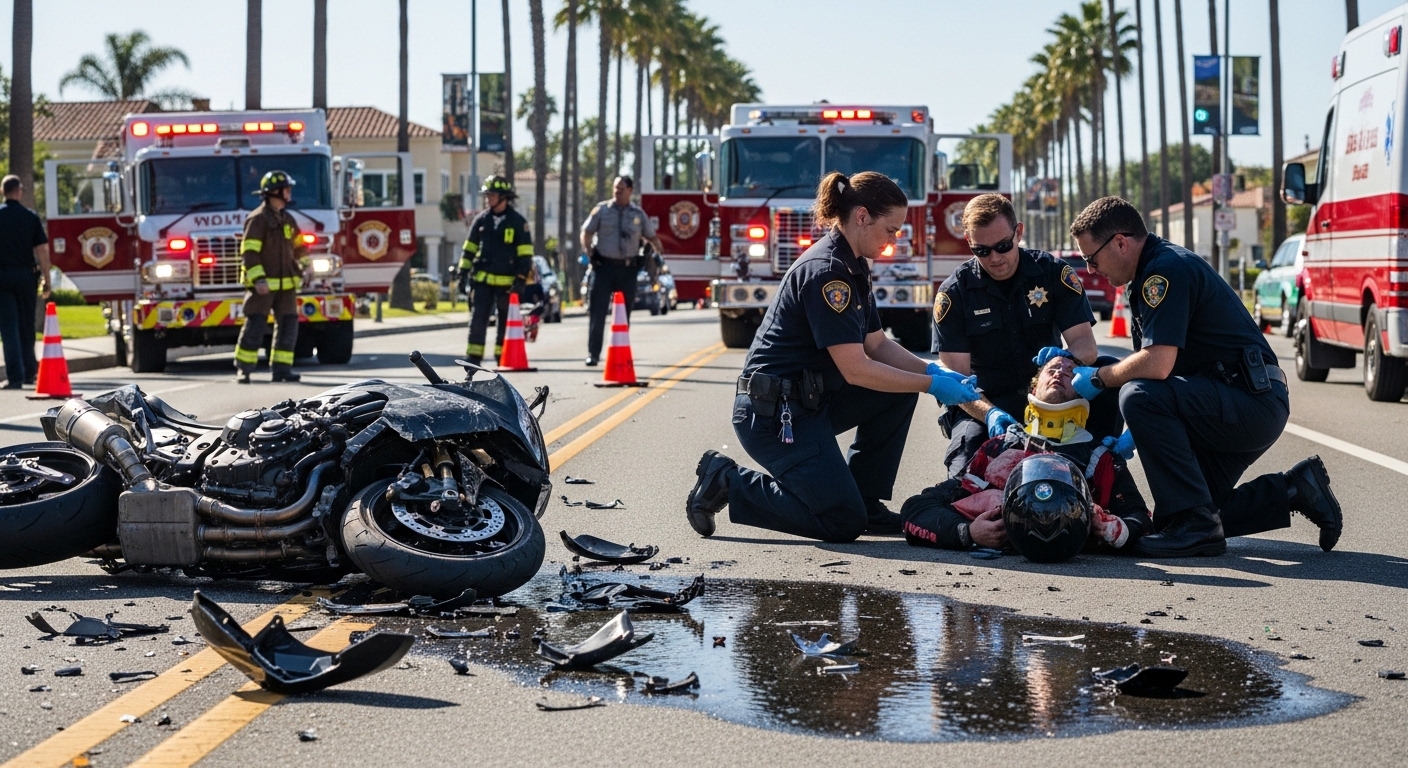
Check for injuries, and if you or anyone else is hurt, call 911 immediately. Even if you don’t feel injured at first, some injuries (such as whiplash or internal injuries) may not show symptoms right away. When in doubt, always call for help. Emergency medical professionals can evaluate injuries on the scene and transport you to the hospital if needed.
2. Call the Authorities
Contact law enforcement to report the accident. In California, you are legally required to report any accidents that involve injuries or property damage. The police will arrive to create an official report and document the scene. This police report is an important piece of evidence for your insurance claim and for any potential lawsuits related to the accident.
When speaking with the police, provide accurate details about what happened. However, avoid admitting fault or speculating about the cause of the accident. It’s best to simply state the facts and let law enforcement determine who is at fault. The police report will play a crucial role in establishing the circumstances of the crash.
3. Gather Information from the Scene
 Collect as much information as possible from the scene of the accident. This includes:
- The names, addresses, and contact information of all involved parties, including drivers, passengers, and witnesses.
- License plate numbers and vehicle registration information.
- Insurance details for all involved parties.
- The make, model, and color of all vehicles involved.
- Names and badge numbers of responding law enforcement officers.
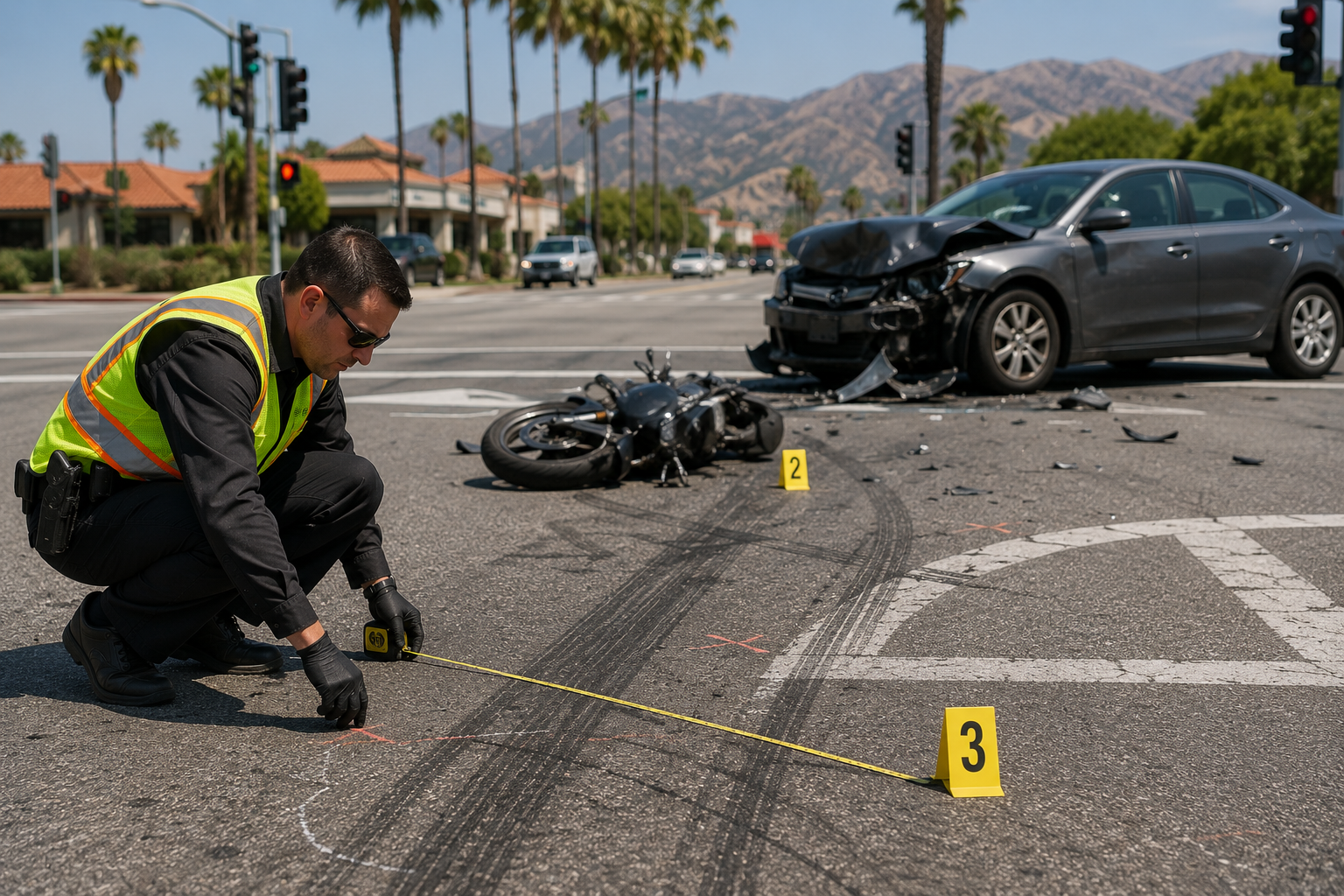
- Photographs of the scene, vehicle damage, and any visible injuries.
Photographs are incredibly helpful in proving the extent of the damage and the conditions of the accident. Take pictures of the vehicles, any skid marks, road conditions, and anything else that may be relevant to the accident. For more information on helmet laws in California, visit Helmet Laws in California: What Every Rider Should Know.
4. Seek Medical Attention Immediately
Regardless of how you feel immediately after the accident, it’s essential to seek medical attention right away. Some injuries, like concussions, whiplash, and internal bleeding, may not be immediately obvious. Prompt medical treatment is essential for both your health and for documenting your injuries.
Even if you don’t feel any pain, injuries can surface hours or days after the accident. Visit a doctor to get a full evaluation, and follow through with all recommended treatments. Keep track of all medical records, bills, and prescriptions. These will be crucial for your personal injury claim. For more information on dealing with insurance companies after an accident, refer to Dealing with Insurance Companies After a Motorcycle Accident.
5. Report the Accident to Your Insurance Company
Notify your insurance company about the accident as soon as possible. Most insurance policies require that you report accidents promptly, and failing to do so could harm your claim. When speaking to your insurer, stick to the facts and avoid admitting fault or offering unnecessary details that might jeopardize your case.
California is a comparative negligence state, which means that even if you share some fault for the accident, you can still be entitled to compensation for your damages. However, be cautious when talking to your insurance provider. An experienced attorney can help guide you through the insurance claims process and protect your interests.
6. Consult a Motorcycle Accident Lawyer
 Consulting with a motorcycle accident lawyer as soon as possible is a critical step in the aftermath of an accident. A lawyer experienced in motorcycle accident claims can help you navigate the legal process, communicate with insurance companies, and ensure that you receive fair compensation for your injuries and losses.
Your attorney will review the circumstances of the accident, gather evidence, and help you understand your legal options. Motorcycle accident lawsuits can be complex, and having the right legal representation can make all the difference in the outcome of your case.
7. Keep a Detailed Record of Your Injuries and Medical Treatments
Keep a detailed record of all medical treatments you receive as part of your recovery process. This includes visits to doctors, hospital stays, surgeries, physical therapy, and prescriptions. These records will serve as evidence of your injuries and will help to substantiate your claim for damages, including medical costs and lost wages.
If your injuries prevent you from working, be sure to document the days you miss and the impact this has on your income. If your injuries are permanent, you may also be entitled to compensation for long-term care or lost earning capacity.
8. Stay Off Social Media
In the days following the accident, refrain from posting about the incident or your injuries on social media. Insurance companies, defense attorneys, and other parties involved in your case may monitor your social media accounts for information that could be used against you. Even innocent posts about your activities could be misinterpreted and used to minimize your claim.
9. Avoid Settling Too Quickly
Insurance companies may contact you soon after the accident with a settlement offer. While it may seem tempting to accept the offer and move on, it’s important to understand that the initial offer may not fully cover your medical expenses, lost wages, or pain and suffering. It’s important to consult with an attorney before accepting any settlement offer to ensure you are getting the compensation you deserve.
10. Follow Through with the Legal Process
The legal process for motorcycle accident claims can be lengthy, but it’s important to be patient and stay involved. Your attorney will keep you updated on any developments in your case, and may need you to provide additional documentation or testimony as the case progresses.
If you file a lawsuit, your attorney will guide you through the discovery process, negotiations, and potential settlement discussions. If a settlement is not reached, the case may go to trial, where a judge or jury will decide your compensation. For more information on motorcycle road safety, visit NHTSA – Road Safety for Motorcycles.