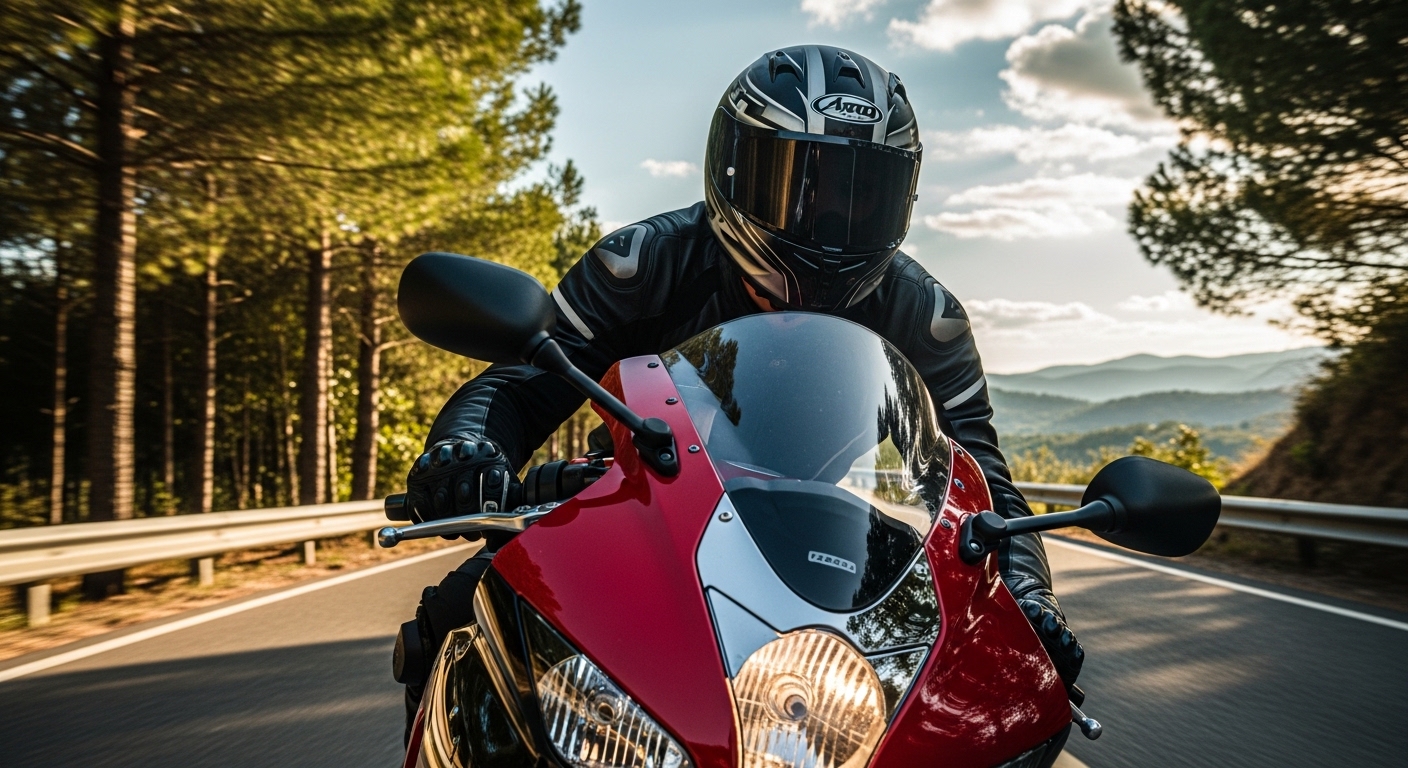
Motorcycle helmets are one of the most crucial pieces of safety equipment for riders. In the event of an accident, a helmet can make the difference between life and death, or between a minor injury and a catastrophic one. In California, where motorcycle riding is popular, understanding the role of helmets in preventing injuries is essential for every rider. This blog explores how helmets protect riders, the types of helmets available, and the laws in California regarding helmet use.
1. The Science Behind Helmet Protection
Helmets are designed to absorb the impact of a collision, preventing serious head injuries by spreading the force over a larger area. When a rider falls or crashes, the helmet acts as a protective barrier between the skull and the road or other objects, reducing the risk of traumatic brain injury (TBI), skull fractures, and concussions.
Modern helmets are equipped with a thick foam layer that cushions the head during a crash. The outer shell of the helmet is made of hard materials, such as polycarbonate or fiberglass, to resist impact and penetration. The helmet’s inner padding absorbs and dissipates energy, reducing the severity of any head injury.
Studies have shown that wearing a helmet reduces the likelihood of a fatal motorcycle accident by more than 40%. Helmets can also reduce the severity of injuries by more than 70%. Whether you’re commuting or participating in a long road trip, wearing a helmet is a crucial step in ensuring your safety. For more on how helmets prevent injuries, refer to the National Highway Traffic Safety Administration (NHTSA).
2. Different Types of Motorcycle Helmets
 There are several different types of motorcycle helmets available, each offering a different level of protection and comfort. The most common types include:
- Full-Face Helmets: These helmets provide the most comprehensive protection, covering the entire head, face, and chin. They offer the best protection against head injuries and are the most common type used by motorcyclists. For detailed information on the safety benefits of full-face helmets, visit the CDC Motorcycle Safety page.
- Modular Helmets: Also known as flip-up helmets, modular helmets offer the convenience of being able to lift the chin guard. They are often used for touring or long-distance riding, offering good protection and comfort while allowing some flexibility.
- Open-Face Helmets: These helmets cover the top, back, and sides of the head but leave the face exposed. While they provide a greater range of visibility and comfort, they offer less protection than full-face helmets, particularly for facial injuries.
- Half Helmets: These helmets only cover the top of the head, offering the least protection. While they are lightweight and provide more freedom, they do not offer the same level of protection against head or neck injuries.
For the best protection, it is recommended that riders wear full-face helmets. They provide maximum coverage and protection, especially in the event of a high-speed crash. Riders should always ensure that their helmet fits properly and is securely fastened before riding. For more on helmet standards and safety, check out the U.S. Department of Transportation page.
3. California Helmet Laws
In California, the law requires that all motorcycle riders, including passengers, wear a helmet while riding on public roads. The law applies to both riders of motorcycles and motorized scooters, regardless of age or experience. The helmet must be approved by the California Department of Motor Vehicles (DMV) and meet specific safety standards set by the federal government.
The California helmet law is in place to protect motorcyclists from serious injury. Riders who fail to wear a helmet can be fined, and in the event of an accident, not wearing a helmet may reduce the chances of receiving compensation if the rider is found at fault. The law is enforced by local police and highway patrol officers throughout the state.
In addition to state laws, there are federal standards for motorcycle helmets. The U.S. Department of Transportation (DOT) sets minimum safety requirements for helmets, and only those that pass these tests are allowed to be sold in the market. DOT-approved helmets are clearly marked with a label that indicates compliance with these safety standards.
4. The Benefits of Wearing a Helmet
 Wearing a helmet while riding a motorcycle offers numerous benefits. These include:
- Prevention of Fatal Injuries: Helmets significantly reduce the risk of fatal head injuries in the event of a crash. For more statistics on helmet safety, visit NHTSA – Motorcycle Safety.
- Protection from Road Debris: Helmets protect the rider from flying debris, rocks, and other objects that may be present on the road.
- Wind Protection: A helmet can protect the rider from the wind, rain, and cold temperatures, providing additional comfort while riding.
- Reduced Risk of Neck Injuries: A well-fitted helmet helps protect against whiplash and neck injuries by providing support to the head and neck.
In addition to these physical benefits, helmets also improve visibility by making the rider more noticeable to other vehicles on the road. This is especially important at night or during adverse weather conditions.
5. The Importance of Proper Helmet Fit
While wearing a helmet is essential for safety, it is equally important that the helmet fits properly. A helmet that is too loose or too tight may not provide adequate protection in the event of a crash. Riders should always ensure that their helmet meets the following criteria:
- The helmet should fit snugly around the head, with no gaps between the padding and the skull.
- The helmet should be securely fastened using the chin strap, and it should not move when the rider shakes their head.
- The rider should be able to see clearly through the helmet’s face shield, and the shield should be free from cracks or damage.
Riders should also regularly inspect their helmet for wear and tear. If the helmet has been involved in a crash or is showing signs of damage, it should be replaced immediately. Even helmets that have not been in a crash may lose their effectiveness over time, so be sure to replace it according to the manufacturer’s guidelines.
Conclusion
Motorcycle helmets are vital for rider safety, offering protection against head injuries and preventing fatalities in the event of an accident. In California, helmet use is not only a legal requirement but also an essential safety measure that every motorcyclist should prioritize. Riders should choose a helmet that provides the best protection, fits securely, and meets state and federal safety standards. By wearing a helmet, riders can enjoy a safer and more enjoyable ride, knowing they have taken the necessary steps to protect themselves on the road. For more information on safe riding, check out the Motorcycle Safety page.